
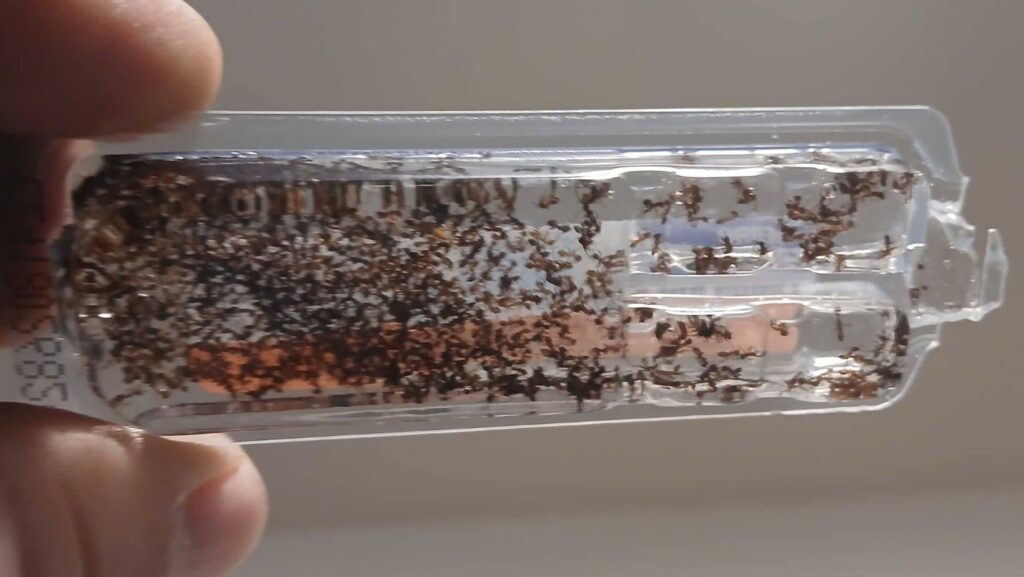
Seeing ants in winter feels strange—everything outside is frozen, yet they appear in your kitchen like it’s the middle of July. The truth is simple: ants don’t disappear in winter. Their behavior changes. Outdoor colonies slow down or go dormant, but indoor colonies stay active because your home gives them the warmth and resources they need to survive.
What Happens to Ants in the Winter?
When temperatures drop, outdoor ants enter a low-energy state. Their metabolism slows, activity stops, and the colony clusters together for warmth. They tuck themselves deep underground, beneath the frost line, or inside natural insulation such as logs, tree hollows, or leaf litter. This isn’t true hibernation, it’s a survival strategy that protects them until spring.
Need help understanding ant behavior in your home? Learn more about our ant control services →
Where Do Ants Actually Go When It’s Freezing?
Ants don’t roam during freezing weather. They retreat to places where temperatures stay stable enough to prevent their bodies from shutting down.This may be:
- Soil below the frost line
- Tree stumps and hollow trunks
- Buried logs and thick leaf litter
- Under rocks and debris
- Root systems and natural cavities
Why Do Ants Show Up in Homes During Winter?
If you’re finding ants during the cold season, it almost always means they’ve found warmth, moisture, or food inside your home. Indoor heat keeps their bodies functioning, which prevents them from going dormant. Wall voids, basements, attics, and areas near appliances create steady pockets of warmth that allow colonies to remain active year-round.
Once inside, ants may:
- Form satellite nests in walls or ceilings
- Establish foraging routes to kitchens or bathrooms
- Use tiny cracks to move between warm structural cavities
In many cases, the infestation began months earlier. You’re only noticing it now because cold weather pushed them deeper indoors.
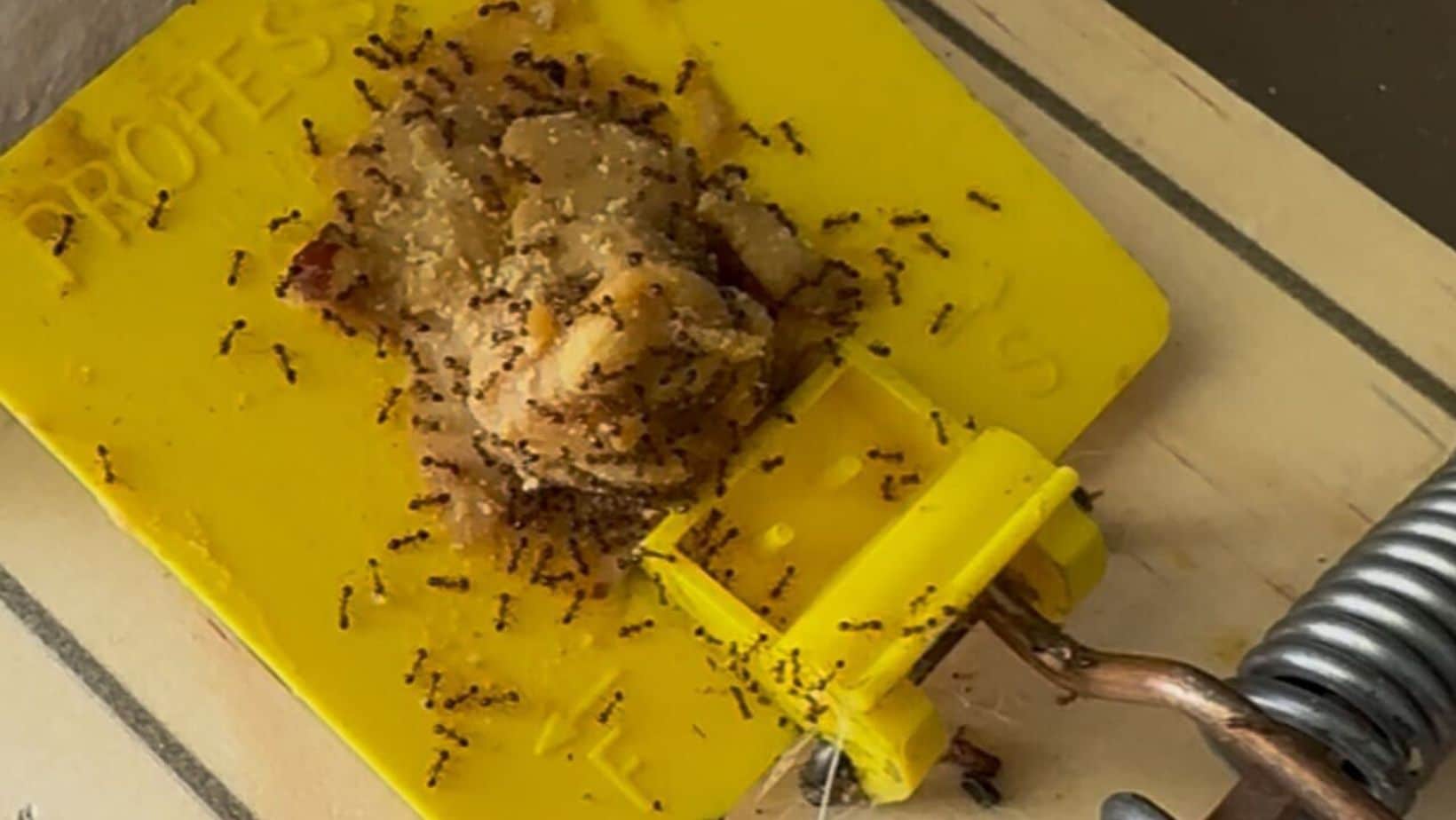
Common Ant Species That Invade Homes in Winter
Some species are far more likely to migrate indoors as temperatures fall. These ants thrive in warm, stable environments and adapt well to human structures.
- Carpenter Ants – Stay active year-round inside; attracted to moisture-damaged wood.
- Odorous House Ants – Love sweets; quickly form satellite nests.
- Argentine Ants – Large, adaptable colonies that seek warmth during cold spells.
- Pavement Ants – Move from soil into heated slabs and wall voids.
- Ghost Ants – Tiny, moisture-loving ants common in kitchens and bathrooms, especially in the Southeast.
In the southern U.S., fire ants can also move indoors during sudden cold snaps. If you’re unsure which species you’re dealing with, our Georgia ant guide can help you identify the most common home-invading types.
Our Georgia ant guide can help you identify the most common home-invading ant types.
Why Am I Seeing Black Ants in the Winter?
Most black ants seen in winter are carpenter ants or pavement ants. Carpenter ants are especially concerning because they prefer damp, softened, or rotting wood. Their winter activity means the nest is already inside a heated part of your home. If you’re seeing large black ants during cold weather, the colony is not outdoors, it’s in your structure.
If you’re starting to suspect hidden ant activity, our breakdown of carpenter ant warning signs can help you confirm it early.
Hidden Warning Signs Your Ant Infestation Started Before Winter
Winter ant sightings are rarely new, they’re just newly obvious. Common overlooked clues include:
- Soft crackling or rustling inside walls
- Ant trails appearing around vents or outlets
- Piles of debris or frass (especially with carpenter ants)
- Ants repeatedly emerging from the same single crack
- Moisture-damaged wood near sinks or windows
- Winged ants appearing indoors (a strong sign of an indoor nest)
Top 3 Recommended Products for Winter Ant Control
These products can help manage small infestations or visible ant trails, but they rarely eliminate indoor nests entirely.
- Liquid Ant Bait Stations
Great for attracting foraging ants and getting them to bring the bait back to their colony. These are easy to place in kitchens, bathrooms, and warm spots where ants are active. - Enclosed Ant Bait Stations
Ready-to-use stations that work well along ant trails or tucked behind appliances. They keep the bait secure and are convenient for everyday home use. - Ant Gel Baits
A flexible option that can be applied into cracks, gaps, and other tight spaces where ants slip in and out. Helpful when the ants aren’t responding to standard bait stations.
For full control, professional pest treatment is usually required.But if you’re comparing costs or deciding whether an inspection is worth it, our pest control plans lay everything out clearly.
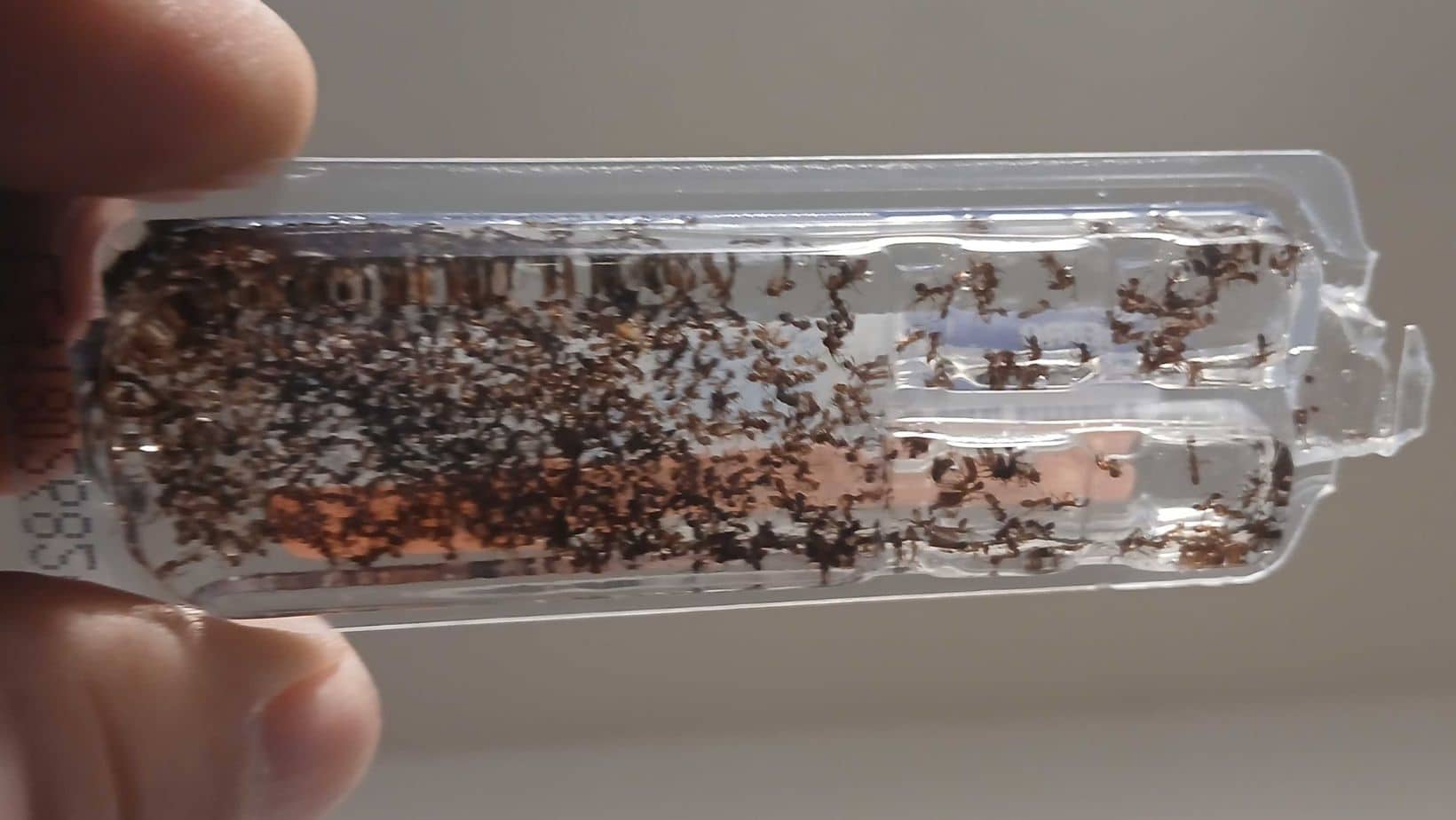
When Should You Call a Professional?
If ants appear regularly during winter, cleaning and sealing won’t solve the problem. The colony is protected inside walls, floors, or structural gaps. These are places DIY treatments can’t reach. A winter ant infestation almost never goes away on its own.
A professional can identify the species, locate hidden nests, and eliminate the colony at its source before spring growth makes the problem much larger.
If something feels off and you think a nest may be tucked away inside your home, scheduling a quick inspection with Nextgen Pest Solutions can give you clarity!