
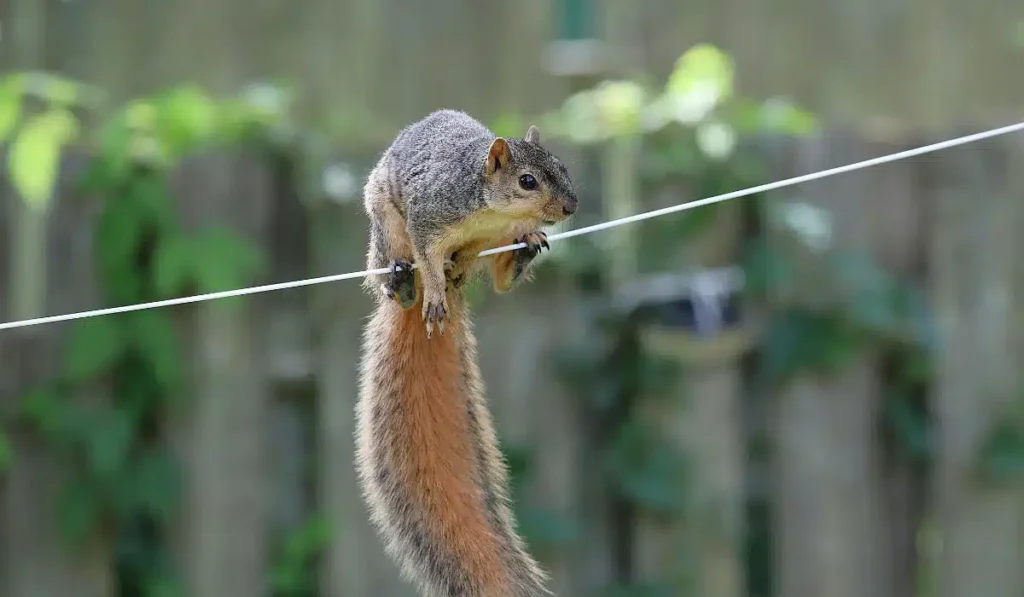
If you live in Alpharetta, you have likely seen squirrels running across rooftops or climbing bird feeders. Knowing the types of squirrels in Alpharetta, Georgia, helps homeowners tell which ones are harmless and which can cause problems.
Alpharetta has hardwood forests and suburban neighborhoods that support several squirrel species. These squirrels eat acorns, hickory nuts, and pine cones, and may enter attics or crawlspaces when food or shelter is limited. Knowing which type of squirrel you are dealing with helps you reduce property damage and decide when to call a professional.
This guide explains the most common squirrels in Alpharetta, how they look, where they hide, and how Nextgen Pest Solutions handles pest control in Alpharetta, GA.
Key Takeaways
- Gray squirrels and fox squirrels are the most common squirrel types in Alpharetta.
- Southern flying squirrels are active at night and often nest inside homes.
- Squirrels chew through insulation and electrical wires, leading to costly repairs.
- Contact Nextgen Pest Solutions for professional wildlife control and squirrel removal in North Georgia.
Video Guide: Identifying Tree Squirrels of North America
This video shows how to identify common tree squirrels by fur color, tail shape, and behavior. It explains the clear differences between gray squirrels, fox squirrels, and southern flying squirrels. The video also shares tips for spotting squirrels in areas such as Alpharetta and Atlanta. Watching this helps you spot signs of squirrel activity early.
What Types of Squirrels Are Most Common in Alpharetta?
Alpharetta’s climate and food sources support several squirrel species. The most common squirrels are eastern gray squirrels, fox squirrels, and southern flying squirrels. Red squirrels and black squirrels appear less often near dense woods.
These squirrels eat acorns, pine cones, and seeds. They adapt well to neighborhoods, parks, and wooded areas near homes.
Eastern Gray Squirrel (Sciurus carolinensis)
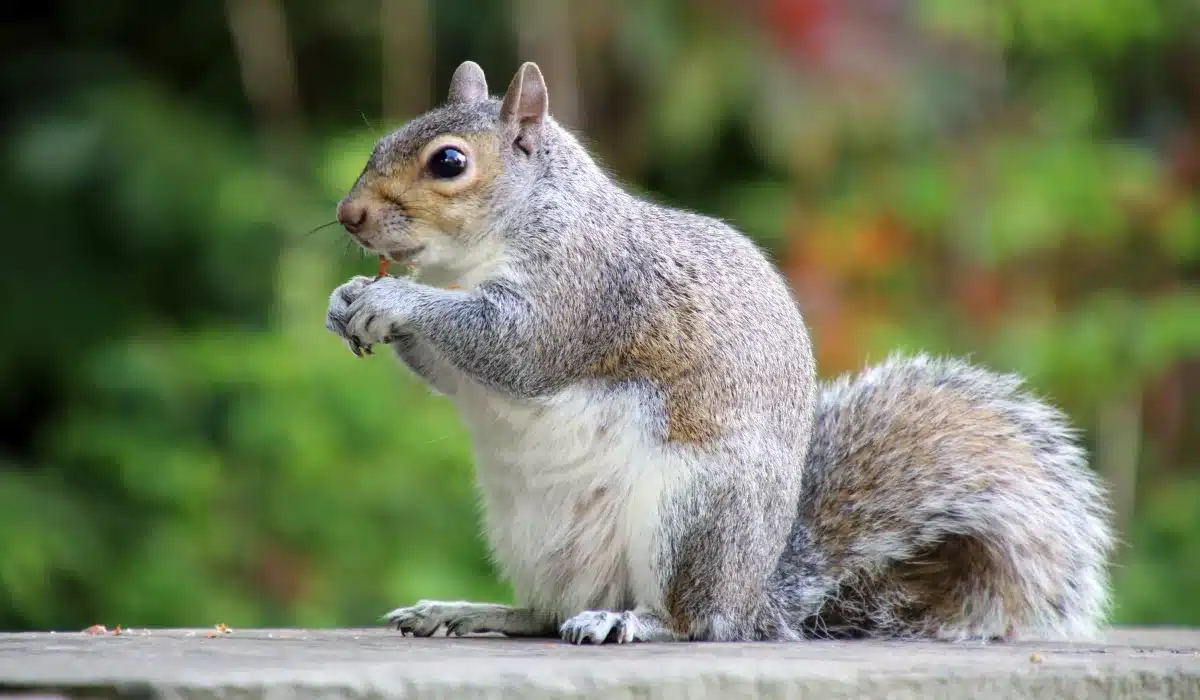
The eastern gray squirrel is the most common squirrel in Georgia. It has a gray coat and a white belly, making it easy to identify. These squirrels climb well and often leap between trees or bury nuts for later.
They prefer hardwood forests, but also live in neighborhoods. When food runs low, gray squirrels may enter attics or soffits. Their chewing damages insulation and electrical wiring, leading to costly repairs.
Fox Squirrel (Sciurus niger)
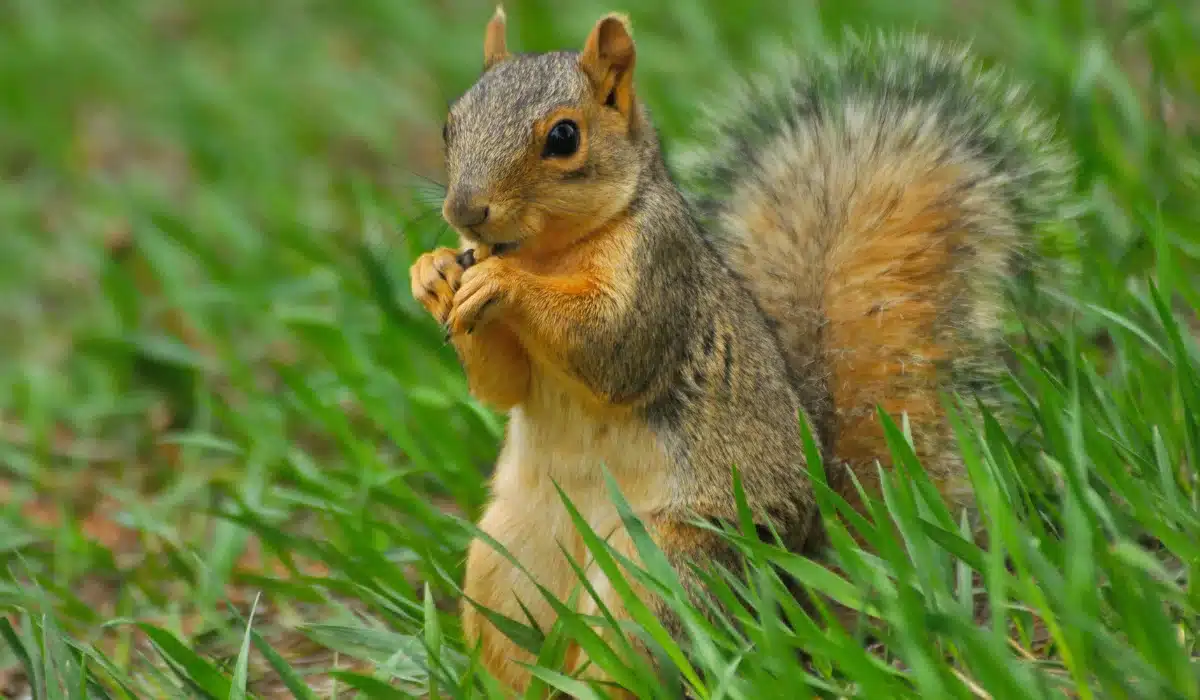
The fox squirrel is larger than gray squirrels and has gray and reddish-brown fur. These squirrels prefer open spaces like parks and golf courses in Alpharetta and Roswell. They often forage on the ground and leave behind cracked nuts and seed shells.
Fox squirrels may use tree cavities or attics for shelter. Because of their size and strong chewing, they can cause more damage than smaller squirrel species.
Southern Flying Squirrel (Glaucomys volans)
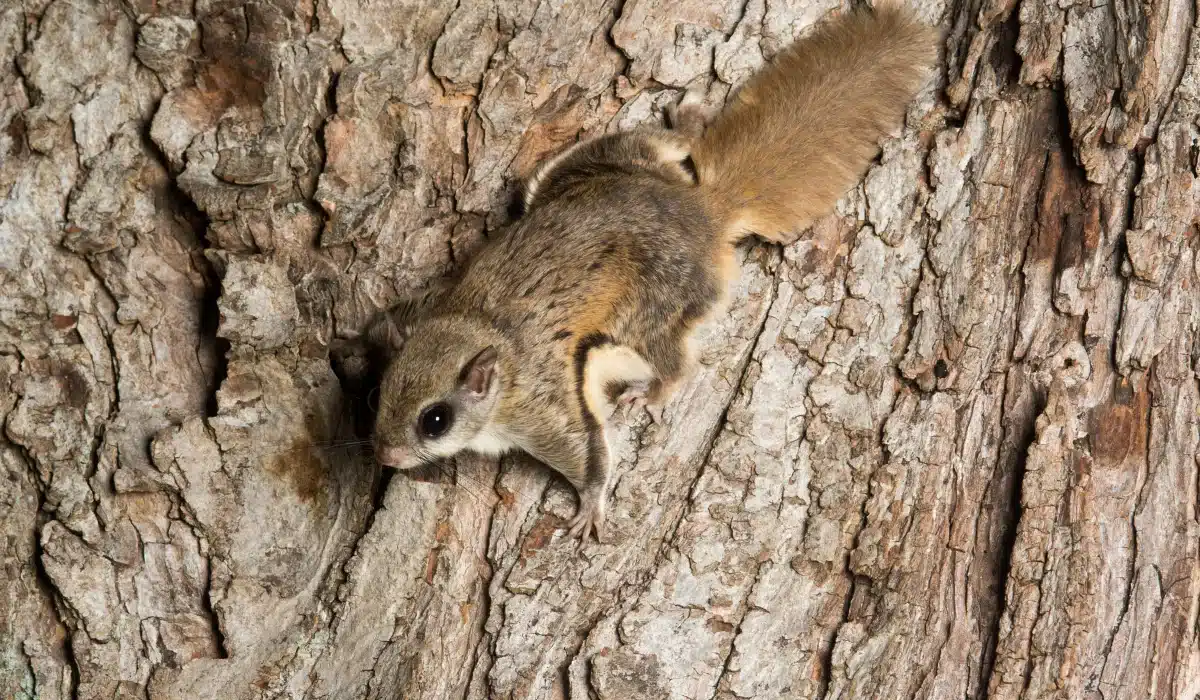
The southern flying squirrel is the smallest and hardest to spot. It glides between trees using a thin flap of skin along its sides. These squirrels are active at night and may enter homes through vents or small gaps to stay warm.
Flying squirrels nest in groups and often make noise inside walls during colder months. They remain active throughout the winter and store food rather than hibernate.
Other Squirrel Species in North Georgia
In northern parts of the state, you might also encounter the red squirrel (Tamiasciurus hudsonicus), which prefers cooler climates and evergreen forests. Red squirrels are smaller and more territorial than gray squirrels. Black squirrels, a darker color phase of the gray squirrel, are occasionally seen around Marietta and forested suburbs near Atlanta.
Homeowners often confuse these species, making professional identification necessary. At Nextgen Pest Solutions, we provide reliable, humane wildlife control and squirrel removal services in Alpharetta, helping homeowners identify species accurately and protect their property from damage.
What Do the Different Types of Squirrels in Alpharetta Look Like?
If you want to get rid of squirrels in your Alpharetta home, understanding appearance and behavior helps you spot which squirrels are on your property.
What Does an Eastern Gray Squirrel Look Like in Alpharetta?
According to the Georgia Wildlife Department of Natural Resources Wildlife Division, the gray squirrel is the most common squirrel species in Georgia. They grow 9-12 inches long with a long, bushy tail. Their fur is silver-gray, sometimes brownish in sunlight. You’ll see them climbing trees or digging in gardens to bury food. They’re most active in the morning and evening.
What Does a Fox Squirrel Look Like in Alpharetta?
According to a study from Marshall University, Southern fox squirrels are among the largest and ground-dwelling of the North American tree squirrels, reaching up to 15 inches.
Their fur is a mix of orange, black, and gray with a reddish-brown tint. They often forage on the ground, cracking hickory nuts and pine cones. Their size and bright color make them easy to recognize.
What Does a Southern Flying Squirrel Look Like in Alpharetta?
Southern flying squirrels measure about 8 to 10 inches long, including the tail. They have soft gray-brown fur, white bellies, and large black eyes. At night, they glide between trees and may enter attics during winter. Their short breeding cycle allows populations to grow quickly indoors.
If you notice small droppings, scratching sounds, or shredded insulation, contact our team for fast squirrel control in Alpharetta.
Where Do Different Types of Squirrels Hide in Alpharetta Homes and Yards?
Indoor Hiding Spots in Alpharetta Homes
Squirrels often enter through roof gaps, vents, or loose soffits. Inside, they settle in crawlspaces, attics, and wall voids. The warmth and insulation make perfect nesting areas, especially in colder months, which is why exclusion work is essential to get rid of squirrels and keep them out for good.
Squirrels may share these spaces with chipmunks or even raccoons, especially when shelter and food are abundant.
Outdoor Hiding Spots in Alpharetta Yards
Outside, squirrels nest in tree cavities, mulch beds, and near foundations. Tree squirrels store food throughout yards, while some ground squirrels dig burrows near decks or garages.
Chewed nuts, nesting debris, or digging near structures signal squirrel activity. Professional wildlife control helps seal entry points and protect your home.
Which Types of Squirrels in Alpharetta Are Dangerous or Destructive?
Squirrels rarely act aggressively, but their nesting habits cause serious damage. They chew on wooden beams, insulation, and electrical wires, creating fire hazards. Gray squirrels and fox squirrels cause the most damage, while flying squirrels often create indoor infestations by nesting in groups.
Making the Right Squirrel Control Choice for Your Alpharetta Home
Knowing the types of squirrels in Alpharetta, Georgia, helps homeowners spot problems early and avoid damage. From gray squirrels storing food to flying squirrels nesting in attics, each species requires a different removal approach.
If you hear noises in your attic or see gnaw marks near vents, it is time to act. At Nextgen Pest Solutions, we provide humane, veteran-led wildlife control across Alpharetta, Roswell, and Marietta.
Protect your home and restore comfort with trusted local professionals. Contact us today or request a free quote.
FAQs
What is the most common type of squirrel in Alpharetta, Georgia?
The eastern gray squirrel is the most common in Alpharetta and throughout Georgia. They thrive in neighborhoods with mature trees and access to acorns and pine seeds.
How can I identify different types of squirrels in Alpharetta?
Look at the size and color. Gray squirrels are smaller and silver-gray, fox squirrels are large and reddish-brown, red squirrels are smaller and territorial, and flying squirrels are nocturnal with large eyes.
Do certain types of squirrels only appear in certain seasons around Alpharetta?
Tree squirrels stay active year-round, though southern flying squirrels gather in groups in winter. Some species hibernate briefly in colder northern areas but stay active across North Georgia’s mild climate.