
Finding tiny ants in your kitchen can be frustrating. They creep along your counters, sneak into cupboards, and seem to appear out of nowhere. Some are harmless, but others — like flying ants or fire ants — can bite or sting.
Understanding what kind of ant you’re dealing with is key to stopping infestations before they get out of control. In this guide, you’ll learn how to identify small black ants, flying ants, and red ants, as well as the steps to get rid of them for good.
Key Points to Know About Ants in Your Kitchen
Food & Water: Tiny ants are usually searching for crumbs or moisture.
Flying Ants: These are reproductive ants (alates) on a mission to start new colonies.
Hidden Nests: Small black ants can nest behind walls, under appliances, or inside cabinets.
Professional Help: Expert control is often necessary for larger or recurring infestations.
→ Don’t let ants take over your home — schedule same-day ant control now.
How to Identify Different Types of Ants
Knowing the type of ant helps you choose the best removal method.
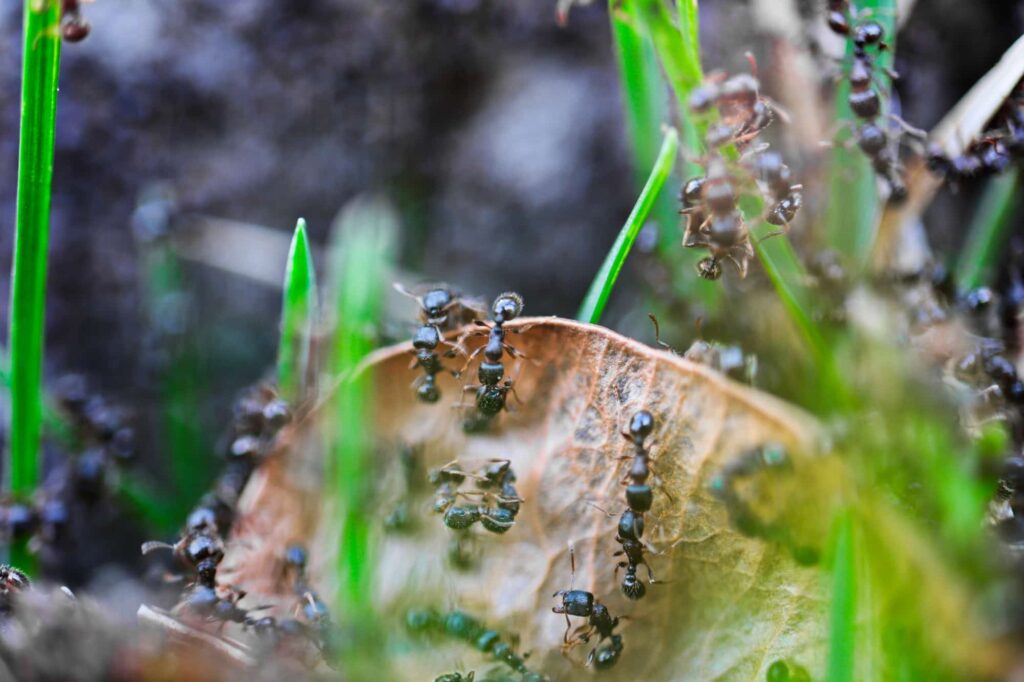
Tiny Black Ants
Size: Very small (1–2 mm).
Location: Often found in kitchens and bathrooms.
Behavior: Attracted to sweet or greasy foods.
Flying Ants (Swarmers)
Appearance: Winged ants emerging from a mature colony.
Common Species: Often Carpenter ants.
Expert Tip: Carpenter ants are attracted to damp wood. If you see them indoors, it may indicate a hidden water leak behind your kitchen walls or under the sink.
Small Red Ants
Pharaoh Ants: These are the most common “red” ants in kitchen settings.
 Critical Warning: Do not spray Pharaoh ants with repellent cleaners or bug spray. This causes “budding,” where the colony senses a threat and splits into multiple new colonies, making your problem much worse. Ant baits are always the safer choice.
Fire Ants: Less common in kitchens but can enter from outside; these bite and sting, leaving itchy, painful welts.
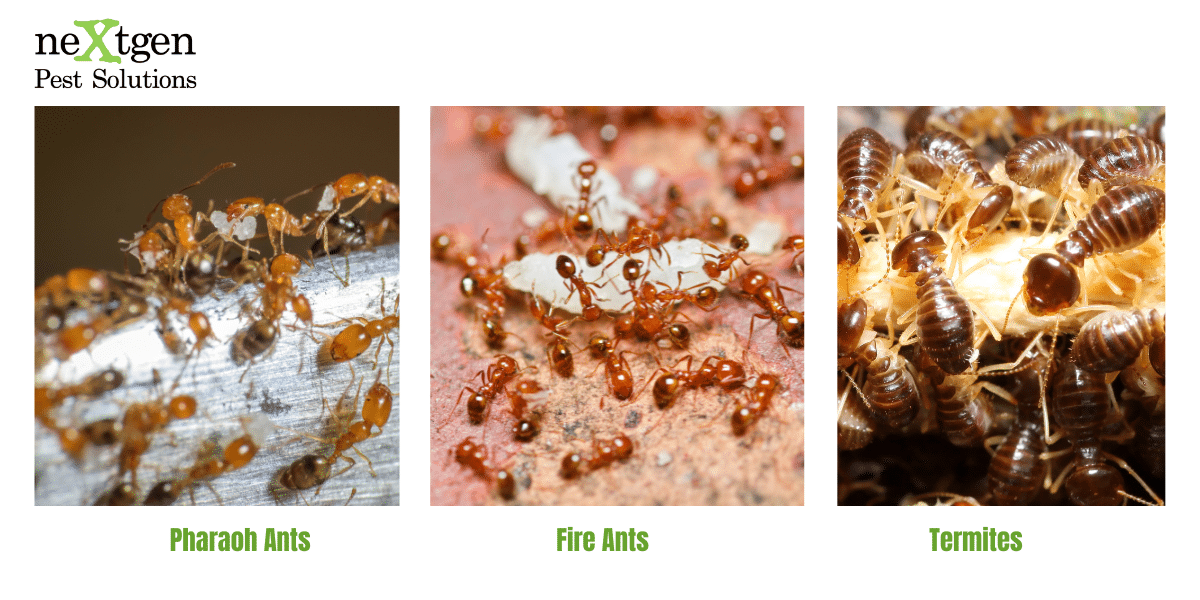
Is it an Ant or a Termite?
It is easy to mistake flying termites for ants. Use this quick-reference table to tell the difference:
Comparison: Flying Ants vs. Termites
| Feature | Flying Ants | Termites |
| Body Shape | Pinched, “wasp-like” waist | Thick, straight waist |
| Antennae | Bent or “elbowed” | Straight and beaded |
| Wings | Two pairs of unequal length | Four wings of equal length |
| Wing Size | Shorter, proportionate to body | Usually twice as long as the body |
→ Unsure which insects are in your kitchen? Book a free inspection today.
How to Get Rid of Tiny Ants in the Kitchen
Killing visible ants isn’t enough — you need to eliminate the colony:
Clean Food and Water Sources: Wipe counters, store food in sealed containers, and fix leaky faucets immediately.
Use Ant Baits: Baits allow worker ants to carry poison back to the queen. Sprays only kill the ants you see and can actually cause species like Pharaoh ants to spread.
Seal Entry Points: Use caulk to block cracks in windows, doors, and baseboards.
Disrupt Pheromone Trails: Use vinegar or mild detergent to wipe away the chemical “scents” ants use to lead others to food.
Professional Pest Control: If you see flying ants or have a recurring problem, experts can locate the nest and apply safe, targeted treatments.
→ Take control of your ant problem — contact Nextgen Pest Solutions for professional treatment.
Ant Bites: What You Should Know
Fire ants sting and leave painful, itchy welts.
Carpenter ants may bite defensively if handled, but they are not venomous.
Treatment: Wash bites with soap and water, apply a cold compress, and seek medical attention if you experience a severe allergic reaction.
Frequently Asked Questions
What insects look like ants with wings?
Flying ants have pinched waists and bent antennae; termites have straight bodies and wings of equal length.
Why do ants appear even if the kitchen is clean?
Even microscopic crumbs, moisture behind walls, or sugary residues can attract scouts.
What’s the best way to get rid of little black ants?
Strategic baiting is the most effective way to kill the entire colony rather than just the foragers.
How to Stop Ants Before They Multiply
Don’t wait until your kitchen is overrun. Whether it’s tiny black ants or winged swarmers, acting fast is the key to control.
 Call Nextgen Pest Solutions today for a free inspection and same-day ant control to protect your home.