
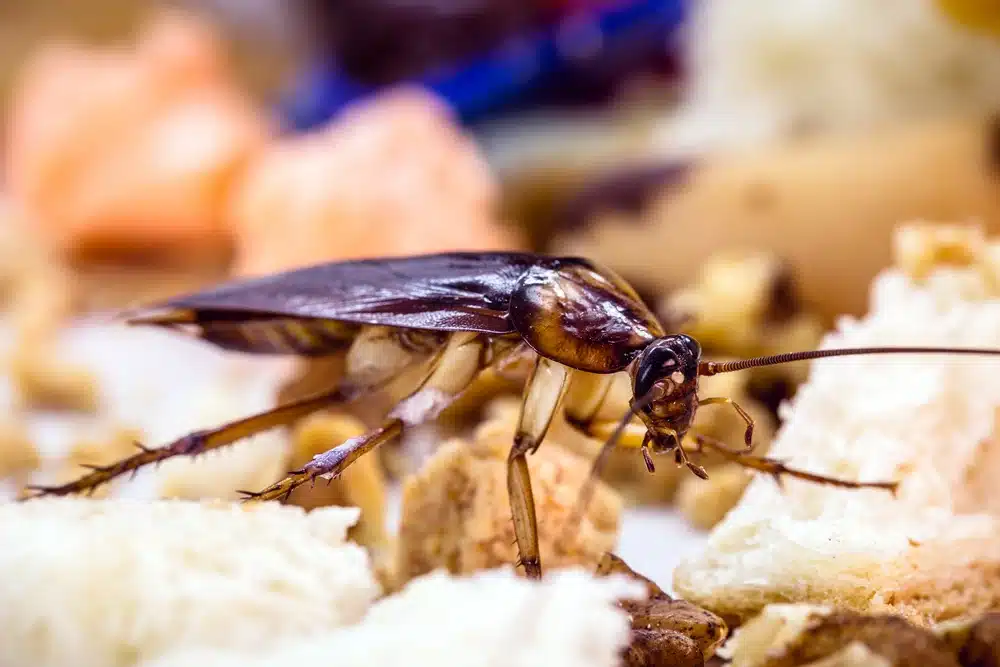
Cockroaches in your car aren’t just a nuisance — they pose real health risks and can be difficult to eliminate. If you’ve noticed droppings, an unpleasant odor, or even spotted a roach scurrying across your dashboard, you’re not alone. Roaches can sneak into your vehicle through bags, groceries, or open windows and quickly find hiding spots.
In this expert guide, we’ll show you exactly how to get rid of cockroaches in your car using targeted roach bait, preventive tips, and step-by-step strategies to stop infestations fast.
What Attracts Roaches to Your Car?
Roaches are drawn to:
- Food crumbs and spills
- Moisture from leaks or condensation
- Warm, dark hiding spots
They often hide under seats, in vents, glove compartments, or trunk linings. Once inside, they multiply quickly — especially if they find food and water.
How Do Roaches Get Inside Vehicles?
Cockroaches can enter your car through:
- Cracks around doors and windows
- Vents and trunk gaps
- Items like grocery bags, backpacks, or storage bins
Even parked in a garage, your car isn’t safe from these pests if conditions are favorable.
What’s the Best Way to Get Rid of Roaches in a Car?
The most effective solution is a combination of sanitation, sealing entry points, and applying slow-acting roach bait that kills the colony over time.
Top Roach Bait Products for Cars (Reviewed)
These products are safe for enclosed areas and effective for hidden infestations:
1. Combat Max Roach Killing Bait Stations
- Pros: Lasts up to 12 months, discreet, easy placement
- Cons: Requires multiple units for full coverage
2. Terro T500 Multi-Surface Roach Baits
- Pros: Clear window to monitor activity, can stick on vertical surfaces
- Cons: May require more frequent replacement
3. Advion Cockroach Gel Bait
- Pros: Highly effective for severe infestations, can be applied in cracks/crevices
- Cons: Requires careful, precise application
4. Terro T530 Roach Bait Powder
- Pros: Covers large areas, cost-effective, great for hard-to-reach spaces
- Cons: Can be messy, not ideal for areas where powder may shift
How to Apply Roach Bait Inside a Car Safely
- Clean Thoroughly: Remove trash, vacuum carpets and under seats
- Identify Infestation Zones: Check under floor mats, glove box, trunk, seat gaps
- Place Bait Strategically:
- Use bait stations in cup holders, under seats, and trunk corners
- Apply gel bait behind trim or into vent seams
- Leave It Alone: Roaches need time to consume and spread the poison
- Reapply as Needed: Refresh baits every few weeks if activity continues
Are Roach Baits Safe to Use in Cars?
Yes — if used properly. Follow all product instructions. Avoid placing baits where pets or children may access them, and always ventilate your car after application.
Non-Chemical Tips to Prevent Roaches in Cars
To reduce the chance of future infestations:
- Clean weekly: Wipe surfaces, vacuum carpets, remove clutter
- Fix leaks: Condensation or AC drips attract roaches
- Seal openings: Use caulk or weatherstripping for gaps
- Avoid food storage: Don’t leave snacks, drinks, or wrappers inside
- Park in bright areas: Roaches prefer dark environments
Identifying the Type of Roach in Your Vehicle
Knowing the species can improve bait selection:
- German Roaches – Small, brown, common in warm interiors
- American Roaches – Larger, reddish-brown, often enter from drains or garages
- Oriental Roaches – Dark, moisture-loving roaches
Monitoring and Maintenance After Treatment
Even after using bait, it’s important to:
- Inspect weekly: Look for new signs of droppings or egg cases
- Replace bait: Every 2–4 weeks or when consumed
- Continue cleaning: A clean car is less inviting to pests
- Seal up: Double-check that no new openings have formed
When to Call a Professional
If your infestation persists after 4–6 weeks of baiting and prevention:
- You may be dealing with a severe infestation or resistant species
- Consider calling Nextgen Pest Solutions for professional, car-safe roach treatments
Frequently Asked Questions
Question: How long does roach bait take to work in a car?
Answer: Typically 3–7 days for initial results; full colony elimination may take up to 4 weeks.
Question: Where should I place roach bait in my car?
Answer: Under seats, in door pockets, glove compartments, trunk, and hidden floor areas.
Question: Can I use household roach bait in a car?
Answer: Yes, but choose small, enclosed bait stations or gels — avoid sprays and foggers.
Question: Are roach baits safe for kids or pets in the car?
Answer: Keep bait out of reach and never use loose powder or open trays in exposed areas.
Final Thoughts: Reclaim Your Vehicle from Roaches
Roaches in your car are more than annoying — they’re unhygienic and persistent. But with smart use of the right roach bait products, ongoing sanitation, and sealing entry points, you can kick them out for good.
For faster, expert-backed solutions, reach out to Nextgen Pest Solutions. We offer advanced roach treatments safe for vehicles — so you can get back on the road, pest-free.