
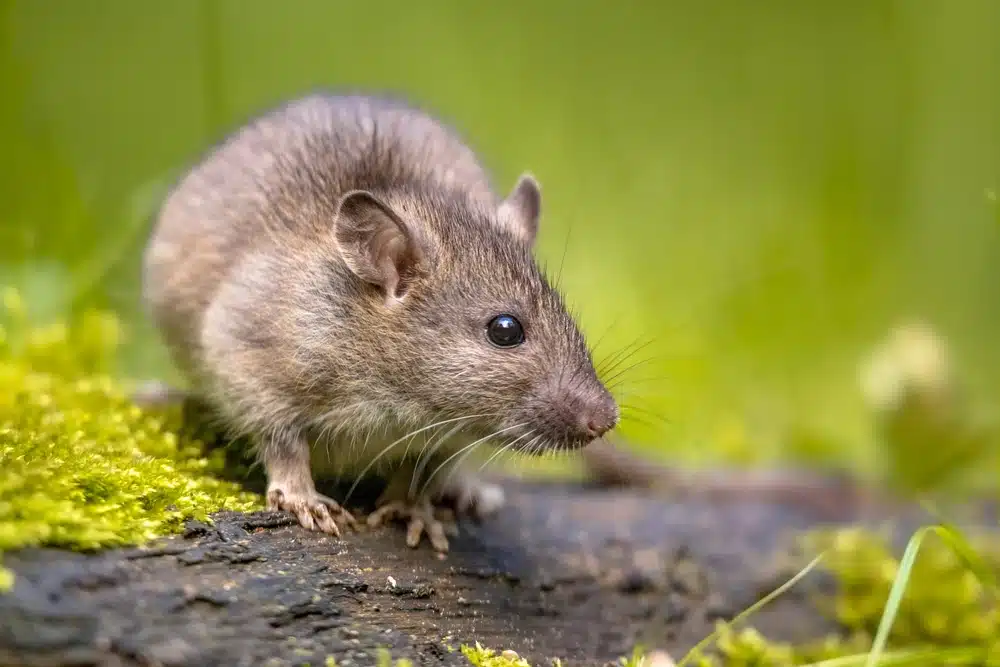
Rats nesting in your car engine or chewing through wires can lead to expensive repairs and unexpected breakdowns. For long-term protection, many vehicle owners also rely on a professional pest exclusion service in Atlanta to seal entry points and stop rodents from returning. In this guide, you’ll learn how to spot signs of a rodent infestation, understand the damage and health risks involved, and apply proven strategies to prevent rats from entering your vehicle.
What Are the Signs of Rats in Your Car?
Early detection is key. Watch for these indicators of rodent activity in your vehicle:
- Droppings – Small, dark pellets found under the hood, in the trunk, or on seats.
- Gnaw marks – Chewed wires, plastic, seatbelts, or upholstery.
- Nesting materials – Shredded insulation, paper, or fabric in corners or near the engine.
- Odors – Strong smells from urine, feces, or dead rodents.
- Noises – Scratching or scurrying, especially when the car is parked and quiet.
Are Rats in Vehicles a Health Hazard?
Yes, rats pose serious health risks. Their droppings and urine may carry bacteria and viruses such as:
- Hantavirus – A virus that causes severe respiratory illness and is spread through droppings and urine.
- Leptospirosis – A bacterial infection transmitted via contact with rat urine, which can lead to liver or kidney damage.
- Salmonella – Can be spread from contaminated surfaces, causing gastrointestinal illness.
Always use protective gear when cleaning areas with signs of rodent activity.
How Do You Inspect a Car for Rodent Damage?
Perform a full inspection of these areas to detect early signs of an infestation:
- Engine compartment – Open the hood and look for droppings, chewed wires, and nesting material.
- Interior cabin – Check under seats, inside the glove box, and along the dashboard for signs of rodents.
- Trunk and spare tire area – Look for nests, droppings, or shredded materials.
- Air vents – Inspect for odors or debris that may indicate nesting.
- Undercarriage – Check for entry points or damage to insulation and wiring.
How Should You Clean Rodent Droppings in Your Vehicle?
Improper cleaning can expose you to dangerous pathogens. Follow these safety steps:
- Wear protective gear – Use gloves, an N95 mask, and eye protection.
- Avoid sweeping or vacuuming – This can spread airborne particles.
- Disinfect first – Spray contaminated areas with a disinfectant and let it sit for at least 10 minutes.
- Remove waste safely – Use disposable tools or paper towels to remove droppings and nesting material.
- Double-bag waste – Seal in plastic bags and dispose of them per local guidelines.
- Ventilate the car – Open windows and doors to clear lingering odors or fumes.
How Can You Prevent Rats from Nesting in Your Car?
The best defense is prevention. These steps help make your car an unappealing target:
- Park in well-lit, clean areas – Avoid parking near trash bins, overgrown vegetation, or garages with clutter.
- Eliminate food sources – Do not leave snacks, crumbs, or drink containers inside the vehicle.
- Seal openings – Use steel wool, mesh, or silicone to block gaps in the undercarriage or vents.
- Drive regularly – Unused vehicles attract nesting rodents.
- Keep your car clean – Vacuum the interior and remove potential nesting materials.
What Natural Rodent Repellents Work for Cars?
Natural deterrents can help, especially when used consistently:
- Peppermint oil – Soak cotton balls and place them under the hood and inside the cabin.
- Cayenne pepper – Sprinkle around entry points or mix with water as a spray.
- Essential oils – Eucalyptus, tea tree, or lavender oil may discourage rodents.
- Dryer sheets – Place them around the engine bay and under the seats.
Reapply every few days, especially in humid or outdoor environments.
How Do You Protect Car Wiring and Hoses from Rats?
Rodents often chew wires, leading to shorts, malfunctions, or fires. To protect your car:
- Use rodent-repellent tape – Electrical tape infused with capsaicin deters chewing.
- Install wire mesh sleeves – Wrap around wiring harnesses and hoses.
- Cover hoses and lines – Use metal braiding or protective conduit.
- Add ultrasonic devices – Emit high-frequency sounds that can deter rodents from nesting.
What Should You Do If You Find a Rat Nest in Your Vehicle?
If you discover a nest, act quickly and safely:
- Wear safety gear – Protect yourself from contaminants.
- Disinfect the area before disturbing the nest – Spray first to reduce airborne particles.
- Remove with tools, not hands – Use tongs or a scoop to collect the nest.
- Clean thoroughly – Disinfect the area after removal.
- Inspect for entry points – Seal them to prevent future infestations.
- Place deterrents – Apply repellents after cleanup.
What Ongoing Maintenance Helps Prevent Rodent Infestations?
Prevent future rodent problems with routine vehicle care:
- Clean the interior weekly to remove food particles and clutter.
- Check under the hood during regular maintenance for signs of rodents.
- Address leaks or standing water inside or under the vehicle.
- Move parked vehicles every few days to disrupt potential nesting.
- Consider seasonal pest inspections if you live in a high-risk area.
When Should You Call a Professional for Rodent Infestation in Cars?
If you notice recurring rodent problems or extensive damage, it’s time to call a professional. Consider pest control services if:
- Nests keep reappearing despite deterrents.
- Odors suggest a dead rodent in hard-to-reach areas.
- Wires or hoses have been chewed repeatedly.
- You are unsure how to disinfect safely.
Get Professional Rodent Removal for Your Car
Dealing with rats in your car can be frustrating and dangerous. At Nextgen Pest Solutions, we offer fast, thorough rodent removal and prevention services for vehicles.
Our services include:
- Vehicle inspections for nests and droppings
- Safe, effective rodent removal
- Engine bay protection and deterrent solutions
- Entry point sealing
- Ongoing maintenance plans
Schedule a rat removal service with Nextgen Pest Solutions today to protect your vehicle and avoid expensive repairs.