
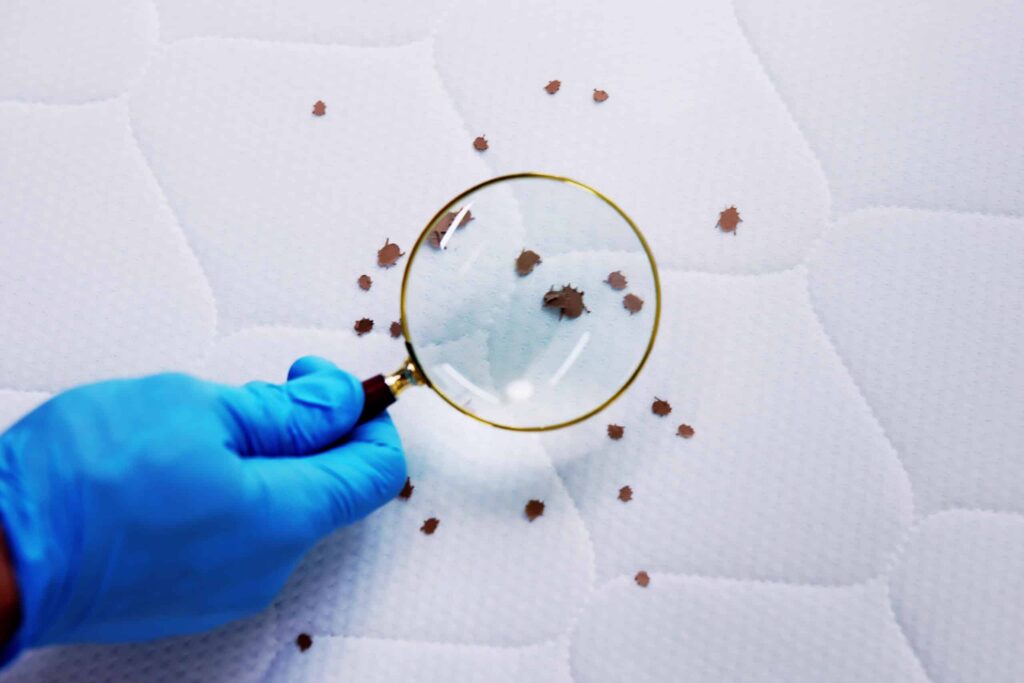
Question: Do bed bugs come back after the first treatment?
Answer: Bed bugs can return if all life stages aren’t fully eliminated during the first treatment. Adult bed bugs may die quickly, but eggs can remain hidden in mattress seams, furniture cracks, or behind baseboards. These eggs may hatch days later, making it seem like the infestation has returned. That’s why professional bed bug treatments often include follow-up visits to ensure every bug, including eggs and nymphs, is eradicated. Scheduling inspections with expert pest control providers, like Nextgen Pest Solutions, can reduce the risk of reinfestation.
Question: What to expect after bed bug treatment?
Answer: After treatment, it’s common to notice a few bed bugs for a short period. This can happen as adult bugs die off and newly hatched nymphs appear. You may also see increased activity as the pests attempt to escape treated areas. During this phase, thorough monitoring is essential. Using mattress encasements, sealing cracks, and reducing clutter support treatment success and prevent the bugs from spreading further.
Question: How long does bed bug treatment take?
Answer: The timeline for bed bug treatment depends on the size of your home and the infestation severity. Single-room treatments typically take 2–4 hours, while larger homes may require multiple sessions. Heat treatments can sometimes eliminate all bed bugs in a single day, while chemical treatments may require follow-up visits to target newly hatched eggs.
Question: How long after extermination do bed bugs die?
Answer: Adult bed bugs can die within hours of contact with certain treatments, but eggs are more resilient and may take up to 10 days to hatch. Heat treatments are faster and can exterminate all life stages in one session. Regular post-treatment inspections are critical to confirm that no eggs or nymphs remain. This ensures complete eradication and peace of mind for homeowners.
Question: How long does it take to treat bed bugs completely?
Answer: Total bed bug eradication usually requires 2–4 weeks and may include multiple treatment sessions. Professionals combine inspections, chemical or heat treatments, and preventative measures to ensure no bugs remain hidden. Patience is key, as rushing the process may allow eggs to hatch and restart the infestation. Partnering with experienced pest control companies can improve success rates and shorten the timeline.
Question: Can I prevent bed bugs from coming back after treatment?
Answer: Yes. Prevention is a crucial part of long-term success. Steps include using mattress and box spring encasements, reducing clutter where bed bugs can hide, inspecting secondhand furniture, and monitoring luggage after travel. Regular home inspections and early intervention can prevent a small problem from becoming a larger infestation. Professional guidance ensures a tailored prevention plan and helps keep your home bed-bug-free.
If you’ve recently treated your home for bed bugs or suspect a hidden infestation, professional inspections and follow-ups are the safest way to protect your family and belongings. Expert pest control services provide reliable treatment, monitoring, and prevention strategies to ensure your home stays free of bed bugs for the long term.