
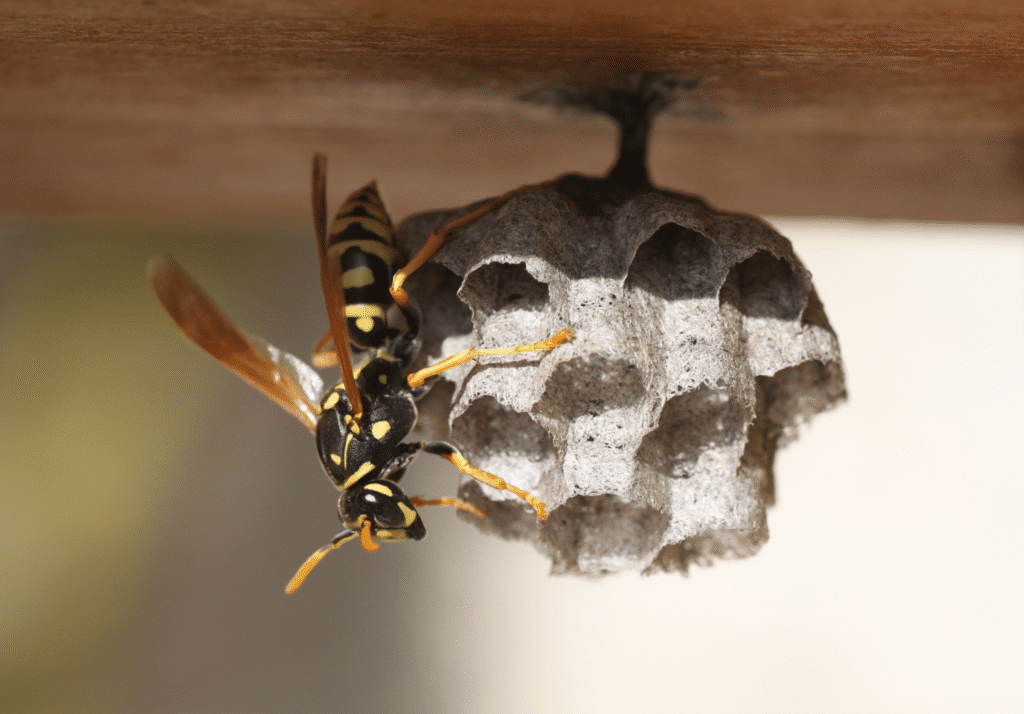
South Florida’s warm, subtropical climate offers the perfect environment for wasps to thrive. Unfortunately, many people don’t realize that wasps aren’t a single insect. In reality, there are several species of wasps, each with unique characteristics and behaviors. Understanding the difference between wasp species and knowing how to identify them is the first step in effectively dealing with an infestation.
For those dealing with ongoing issues, consulting pest control experts in Sandy Springs can provide the proper identification and treatment. Here are four common wasp species found in West Palm Beach and how to identify them:
Yellowjackets
Yellowjackets are known for their striking black-and-yellow color pattern and striped markings. One of their most distinguishing features is their all-black antennae. They usually measure 1/2 inch in length. Yellowjackets are social wasps, meaning they live in a colony structure. Social wasps tend to be more aggressive than solitary wasps, as they’re extremely defensive over their nests. Yellowjackets are known to be one of the most aggressive wasp species, stinging multiple times, sometimes unprovoked.
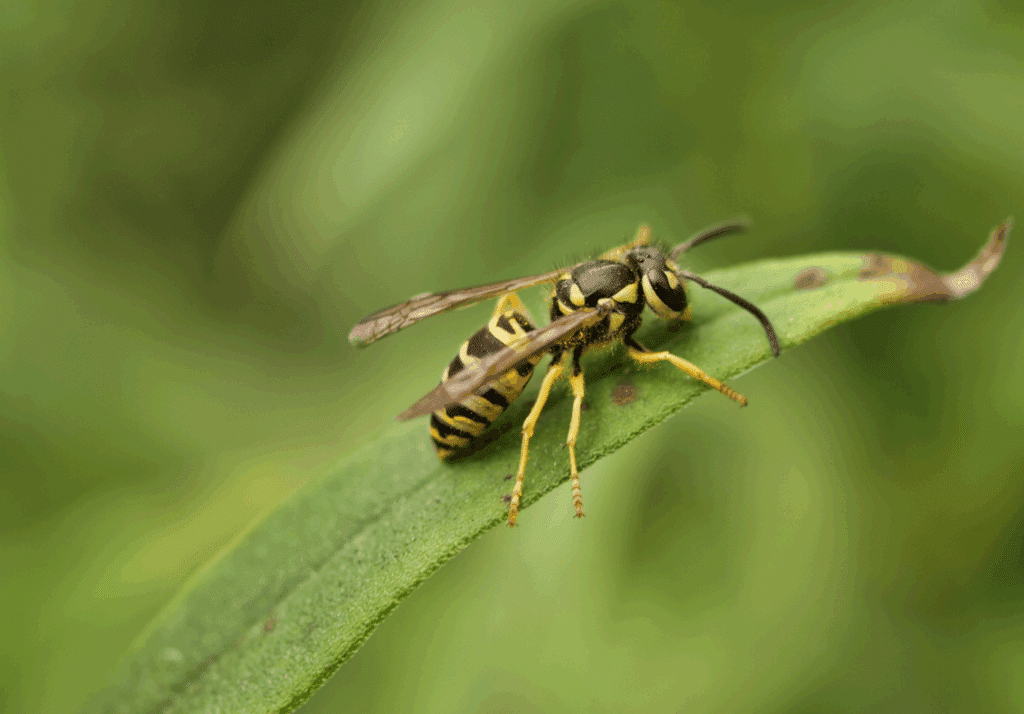
While yellowjackets commonly build their nests underground in abandoned rodent burrows or hollow logs, they can also build them above ground in trees, shrubs, eaves, attics and wall voids. Yellowjackets tend to have protein-rich diets, feeding on insects and scraps of human food, as well as nectar, tree sap and other sweet substances.
Paper Wasps
Living in South Florida, you’re probably familiar with paper wasps. These wasps are usually about an inch long with slender bodies and long legs. Paper wasps are black or reddish-brown with yellow markings. While paper wasps are often mistaken for yellowjackets, you can tell the difference between them because their legs dangle when they fly. Yellowjackets and paper wasps are similar in size, but paper wasps are much more slender.
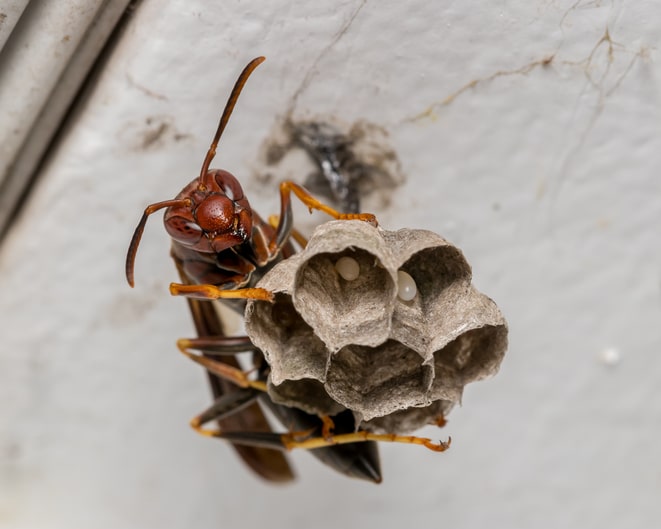
You can probably guess what their nests are made of by looking at their name. They make their nests from chewed wood pulp and saliva, which forms a paper-like material. These nests have multiple cells that resemble the shape of a honeycomb. Paper wasp nests are often found under roof eaves, in window frames and in other small crevices around people’s homes. Adult paper wasps mostly feed on nectar and other sweet substances, while their larvae feed on small insects. Paper wasps are a type of social wasp known to sting when defending their nests.
Mud Daubers
Mud daubers are a type of solitary wasp, meaning they don’t live in colonies. They build their own nests and forage for their own food. Mud daubers make their nests using mud, as their name suggests. Their nests vary in size and structure, but often look like cylindrical tubes.
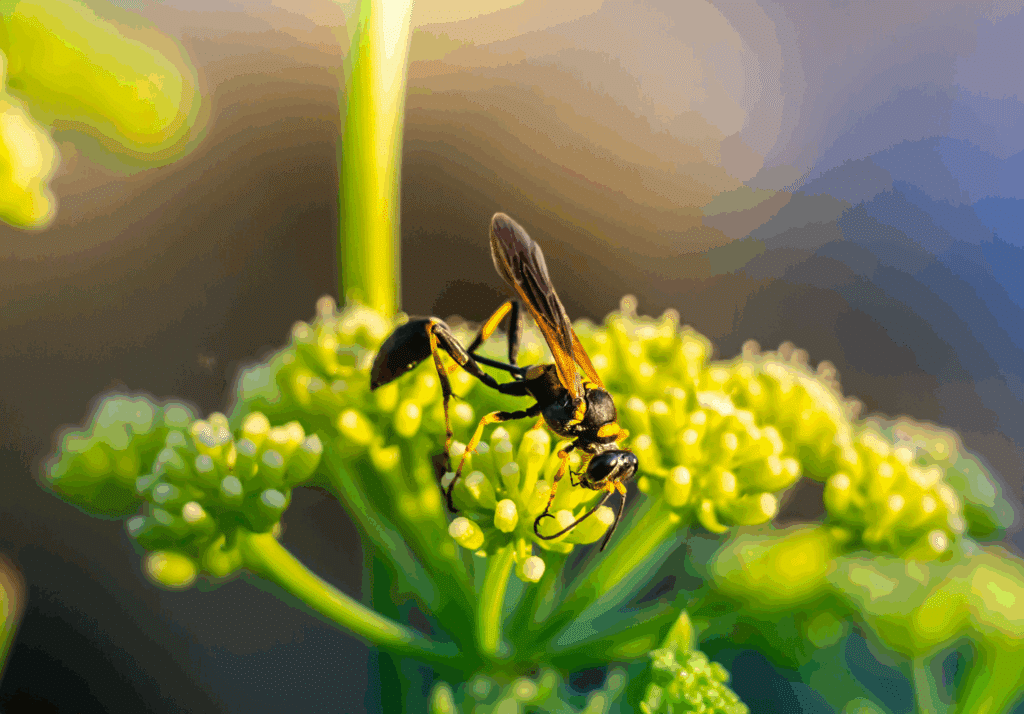
Mud daubers usually measure between 1/2 inch and 1 inch in length. It’s relatively easy to differentiate them from other wasp species because they have extremely thin waists. Mud daubers can be solid black, black and yellow, or dark, metallic blue. Since mud daubers are solitary wasps, they tend to be less aggressive than other species, and they don’t often sting. Mud daubers primarily feed on spiders, using a unique hunting tactic to paralyze and bring them back to their nests. While this is their primary food source, they sometimes supplement their diet with nectar.
Cicada Killers
Among the largest wasp species are cicada killers, which can measure up to 2 inches in length. They’re usually black or dark brown and yellow with brownish-orange legs. Their size can make them look more menacing than they actually are. As a type of solitary wasp, they’re more docile. In fact, male cicada killers don’t sting at all. Instead, they may fly aggressively toward you if they feel threatened. Females, on the other hand, can and will sting if they’re handled, stepped on or otherwise bothered, but their stings aren’t very painful and are often compared to a pinprick — much milder than typical bee, wasp, and hornet stings.
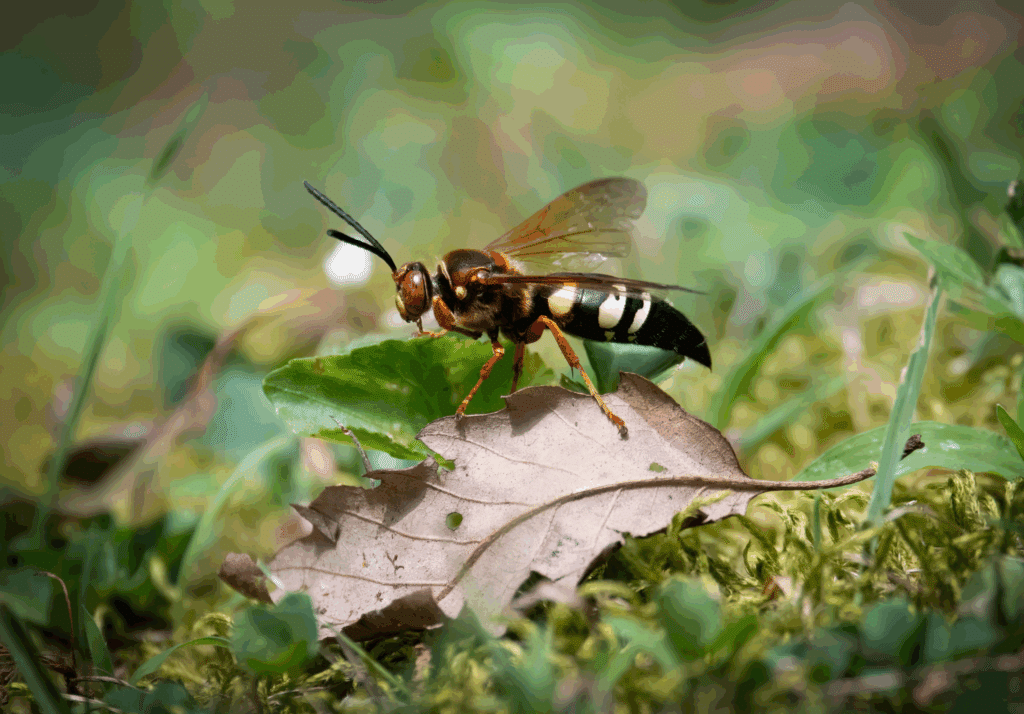
Cicada killer nests are underground. Females burrow tunnels into the soil, and this often ends up looking like a mound of dirt with a small opening. Like paper wasps and mud daubers, cicada killers get their name based on a specific behavior. In this case, it’s what they eat. However, it’s a little deceiving because adult cicada killers primarily feed on nectar from plants, while their larvae feed on cicadas. Female cicada killers take a similar approach to hunting as mud daubers. They paralyze cicadas and bring them back to their nests for their larvae to feed on.
Even though you now know the differences between these four wasp species, you shouldn’t try to remove any nests on your own. While some wasps are less aggressive than others, they all have the potential to sting you. Whether you’re dealing with one wasp nest or multiple, the West Palm Beach pest control experts at Nextgen Pest Solutions are here to help with safe bee and wasp removal services. Call us at (561) 228-4853 or contact us online for a free quote.