
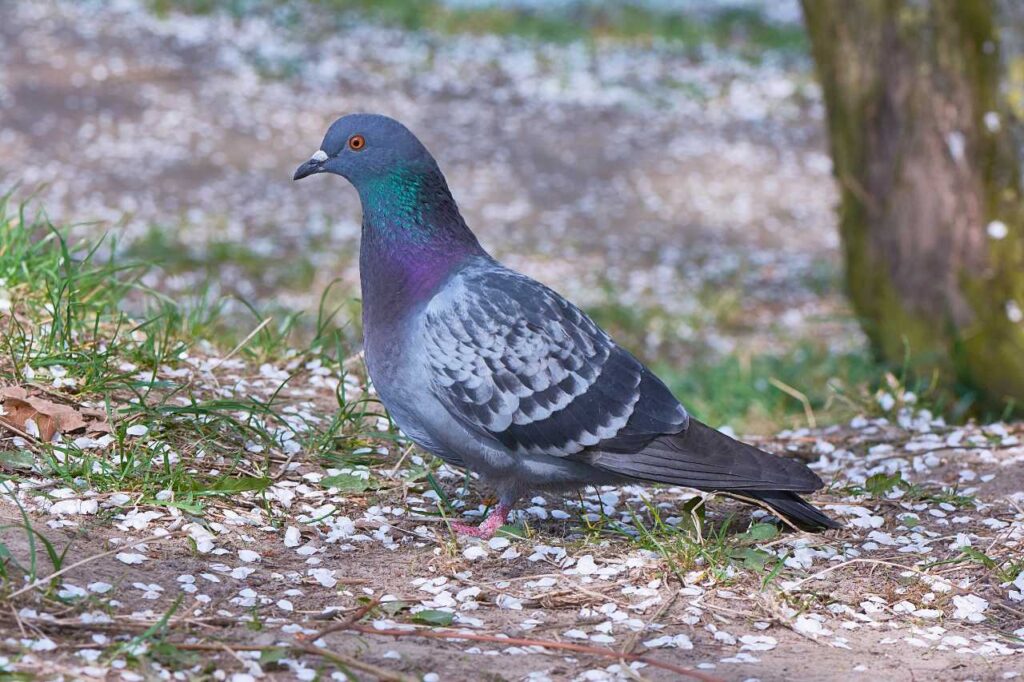
Pigeons have a long and fascinating history with humans, but in modern times, they’ve become one of the most common urban pests. Their droppings, nesting habits, and noise can cause major problems for homes, buildings, and commercial properties. If you’re looking for how to get rid of pigeons safely and effectively, this guide covers the best natural pigeon control methods, deterrents, and professional pigeon and pest removal options in Johns Creek.
Why Pigeons Are a Problem
While they may seem harmless, pigeons can cause serious property damage and pose health risks. Their acidic droppings corrode building materials, vehicles, and outdoor fixtures. Nests block gutters, vents, and solar panels leading to leaks and reduced efficiency. Beyond the mess, pigeons can carry bacteria, fungi, and parasites that spread diseases like histoplasmosis and salmonella.
Ignoring a pigeon problem can also lead to costly repairs, OSHA violations, or even liability issues in commercial properties. That’s why prompt and humane pigeon pest control is so important.
What Attracts Pigeons to Your Property?
Understanding what draws pigeons to your property helps you address the root cause of the infestation. Pigeons are primarily attracted by:
- Food sources: Open trash bins, bird feeders, crumbs, or leftover pet food.
- Water: Standing water from leaky pipes or HVAC condensation.
- Shelter: Ledges, roofs, balconies, and eaves provide ideal nesting spots.
- Warmth and safety: Warehouses, parking garages, and attics offer protection from predators and weather.
Limiting these attractants is the first step in keeping pigeons away from your property.

How to Get Rid of Pigeons Humanely
When deciding how to get rid of pigeons, the most effective methods are those that modify their environment and prevent them from nesting in the first place.
1. Remove Food and Water Sources
Keep outdoor areas clean and free from spilled food or water. Seal garbage bins tightly, and remind neighbors or tenants not to feed the birds. Without easy access to food and water, pigeons quickly move on.
2. Block Nesting Areas
Seal gaps, vents, and roof spaces using wire mesh, caulk, or hardware cloth. Pigeons often nest under solar panels, in attics, and behind signage—so regular inspection helps prevent future infestations.
3. Install Bird Deterrents
Physical deterrents make it harder for pigeons to perch or roost:
- Bird spikes or angled slides discourage resting on ledges or AC units.
- Bird wire or shock tracks create unstable or mildly aversive surfaces.
- Reflective deterrents like mirrors or metallic strips help scare pigeons away using light and motion.
These humane deterrents reduce activity without harming the birds.
4. Use Ethical Repellents
Natural repellents like peppermint oil, chili extract, or non-toxic gels make surfaces uncomfortable for pigeons. Reapply regularly, especially after rain or cleaning.
5. Professional Pigeon Removal
For large or recurring infestations, DIY methods may not be enough. A professional wildlife control company such as Nextgen Pest Solutions can design long-term exclusion systems, install deterrents safely, and clean contaminated areas. Expert pigeon removal ensures results without violating local wildlife laws.
How to Keep Pigeons Away from Your Balcony or Roof
Balconies and rooftops are prime spots for nesting, droppings, and feathers. Here’s how to keep pigeons away from your balcony and roof naturally:
- Install fine mesh netting to block access.
- Use motion-activated sprinklers or sound deterrents.
- Keep the space tidy. Remove food bowls, standing water, and clutter.
- Place decoy predators like owls or hawks for visual deterrence.
Combining these steps with routine cleaning makes your balcony or roof less inviting and helps you avoid pigeons in balconies long-term.
What are the Health Risks and Damage from Pigeon Infestations
Pigeon droppings and nesting materials can spread harmful microorganisms and damage your property. Common risks include:
- Histoplasmosis, Salmonella, E. coli infections, and other diseases from droppings.
- Cryptococcosis and St. Louis encephalitis is linked to pigeon activity.
- Structural issues from droppings corroding paint, metal, and concrete.
- Fire hazards from nesting materials near electrical equipment.
To prevent contamination, always wear gloves, masks, and goggles when cleaning. Wet the area first to avoid inhaling dust, scrape and bag debris, disinfect thoroughly, and let the area dry before installing deterrents.
Is It Legal to Remove Pigeons?
In most areas, feral pigeons are not protected under federal law, but local regulations may vary. Always check city or state guidelines before using traps or repellents. Humane and preventive methods are the safest and most compliant way to handle pigeon pest control.
When to Call a Professional
Persistent pigeon problems often require a long-term strategy. Nextgen Pest Solutions provides professional pigeon removal and pigeon control services designed for both residential and commercial properties. Our experts assess your site, identify attractants, and install tailored deterrent systems that keep pigeons away, humanely and effectively.
If you’re struggling to keep pigeons off your roof, balcony, or business property, contact us today for expert help and lasting results.
Frequently Asked Questions About Pigeon Control
What do pigeons hate the most?
Pigeons hate strong smells such as peppermint, vinegar, and chili, as well as shiny or moving objects that disrupt their sense of safety. Installing reflective tape, wind chimes, or motion-activated sprinklers are easy ways to deter pigeons naturally. Keeping food and water sources out of reach also helps keep pigeons away from your property.
What happens if you destroy a pigeon nest?
If you destroy a pigeon nest, the birds may try to rebuild in the same spot. To stop this cycle, clean the area thoroughly, disinfect it, and install deterrents immediately after nest removal. For safe and compliant bird nest removal, it’s best to call a pigeon control professional, especially if eggs or chicks are present.
Do pigeons return to the same place?
Yes, pigeons have a strong homing instinct and often return to familiar nesting sites. That’s why simply removing them isn’t enough. You must block access points and use effective deterrents. Long-term pigeon pest control focuses on modifying the environment so pigeons can’t come back.
Are pigeons good or bad to have around?
While pigeons play a small role in the ecosystem by cleaning up food waste, they’re generally bad to have around homes or businesses. Their droppings corrode structures, and their nests harbor mites, fleas, and harmful bacteria. Proper pigeon removal helps protect your property and health.
Are pigeon droppings harmful to humans?
Yes. Pigeon droppings can contain fungi and bacteria that cause diseases like histoplasmosis, salmonella, and E. coli infections. Always wear protective gear when cleaning up droppings or contact a professional pigeon removal service to handle contaminated areas safely.
How much does bird nest removal cost?
The cost of bird or pigeon nest removal varies depending on accessibility, nest size, and cleanup needs. On average, professional removal ranges from $150 to $500, including disinfection and deterrent installation. Nextgen Pest Solutions offers customized pigeon removal services to ensure the problem doesn’t return.