
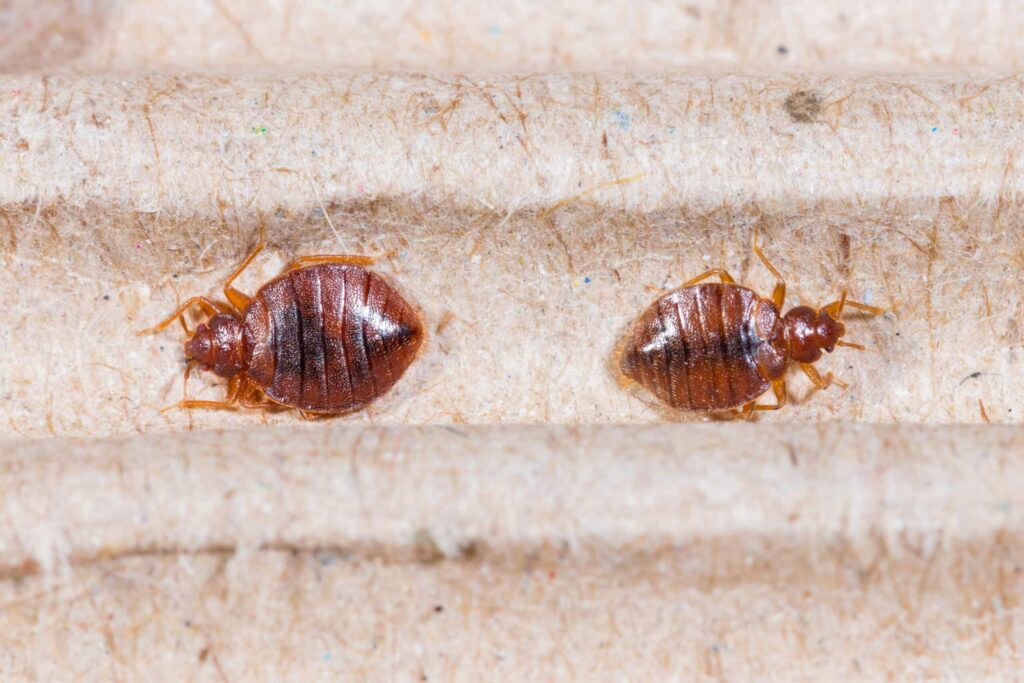
Bed bugs are a serious issue in Georgia and many people gravitate towards over-the-counter solutions because they are easy to get and seem simple to use. Unfortunately, these types of treatments are not as effective as most people hope, and they can even make the issue worse!
Keep reading to see why DIY bed bug fixes keep failing.
Key Takeaways
- DIY treatments like sprays and essential oils often fail to eliminate bed bugs completely, allowing the infestation to grow and spread unnoticed.
- Professional pest technicians in Johns Creek use a combination of inspection, targeted treatments, and follow-up visits to fully eliminate bed bugs at all life stages.
- Acting quickly is essential in Georgia, where warm weather allows bed bugs to reproduce year round and infestations can escalate rapidly.
Why Bed Bugs Are So Hard to Eliminate in Georgia
Bed bugs are difficult pests to control anywhere, but conditions in Georgia make it easy for a bed bug infestation to get out of hand very quickly.
Georgia’s Climate is Ideal for Bed Bugs
Georgia’s mild winters and warm interiors make it easy for bed bugs to travel from place to place, and it also encourages year-round breeding. The high humidity levels in the state also make it easier for bed bugs to progress through their life stages. Not only does that lead to greater population growth over time, but it also means small infestations become serious issues very quickly.
High-Density Housing Helps Bed Bugs Spread
Another condition that encourages bed bug spread is high-density housing, and you can find many examples of these types of living conditions all throughout Georgia. A few examples include student housing, hotels, apartments, and multi-family homes. Bed bugs can easily crawl through walls, ceilings, and shared vents, moving from one unit to another. Even if one person’s home has an untreated infestation, it can lead to building-wide outbreaks.
Bed Bugs Become Resistant to Treatments
Bed bugs can also become resistant to common over-the-counter treatments. Over time, store-bought insecticides can become less and less effective, and poorly planned applications of these chemicals only encourages bed bugs to spread to new areas around the home or business. That is why many DIY attempts at bed bug eradication end up making the problem worse. Failed treatments can easily create multiple infestations. When this happens, bed bugs are much more difficult to get rid of and more resources are needed.
Understanding why bed bugs are hard to kill is crucial because it helps us understand what does and does not work when it comes to stopping them.

Common DIY Methods (and Why They Don’t Work)
When you first discover bed bugs in your home or business, it may be tempting to run straight for the local hardware store. The idea of a quick fix is certainly attractive, but these types of treatments are rarely as effective as they say on the bottle.
There are a huge number of factors that go into a successful bed bug removal, and most of these DIY approaches simply don’t work.
Over the Counter Sprays
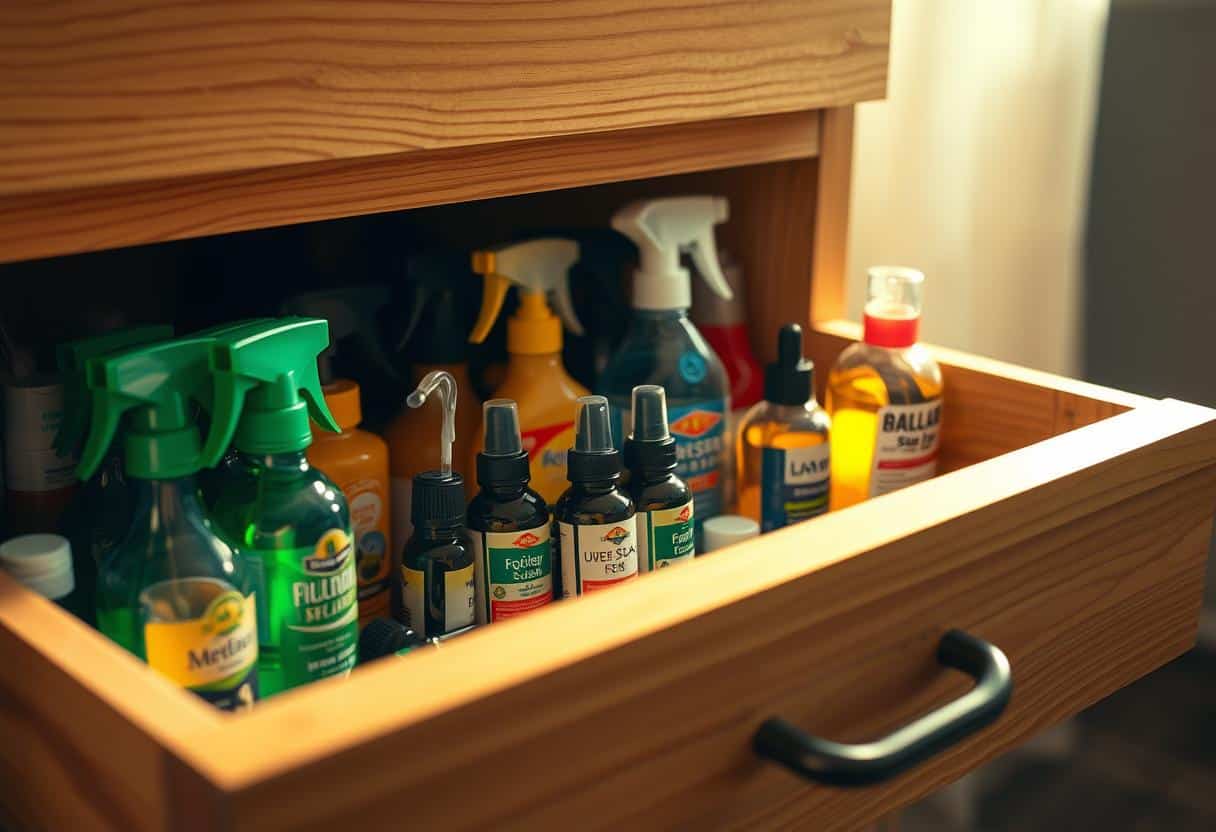
One of the most common things to try is an over-the-counter spray. Using them does appear to be effective because they are very good at killing adult bed bugs. However, they barely affect the eggs or hidden clusters, especially if the person applying the treatment doesn’t know where to look for hidden bed bugs.
As mentioned, these types of sprays also lead to resistance. Since most of the over-the-counter sprays use similar chemicals, it gets to a point where none of them truly work as effectively as they should.
Essential Oils
Another common remedy people try are essential oils. These types of home remedies sound amazing. They are both environmentally friendly and non-invasive. They also come with the added benefit of smelling very good.
Some oils can have a repelling effect on bed bugs, especially when they are applied in the right way, and in the right places. However, there are no oils that we know of that will kill an infestation completely. It should also be noted that many of these oils can also stain sheets and furniture after prolonged use.
Mattress Covers
Mattress covers or another popular technique, and one that anybody can do on their own. The idea is to seal off the mattress, which has the effect of trapping bed bugs inside and deterring new bugs from attaching to the mattress seams and fabric.
Mattress covers are effective at minimizing bites and can provide much-needed relief if you’re facing a serious infestation, but they don’t do anything to solve the root of the problem. Mattress covers are best when paired with a full room treatment plan.
Vacuuming
There are also plenty of sources on the Internet to talk about vacuuming as an effective DIY approach to bed bug removal. However, this method usually does not do enough to get rid of nymphs and eggs, which means you will have a reinfestation on your hands very soon.
Another problem with vacuuming is that bed bugs can escape the vacuum after you’re finished, possibly infesting other rooms within the home or business. If you do decide to use vacuuming as an approach to get rid of the bulk of the live bugs, be sure to seal the bag and remove it from the home or business as quickly as possible.
The Problem With DIY
As you can see, there are several problems related to DIY approaches when it comes to bed bug removal. Most DIY methods fail to eliminate the infestation entirely, and they often cause bugs to scatter into other rooms. When that happens, follow-up treatments are much more difficult.
Professional intervention is considered the best option for anyone looking for guaranteed results in the shortest amount of time possible.
What Professional Bed Bug Treatment Really Involves
Most people are surprised when they learn how involved professional bed bug removal processes are. A competent pest removal specialist takes everything into consideration, including the extent of the infestation, the environmental factors, and which treatment type would be best for any given situation.
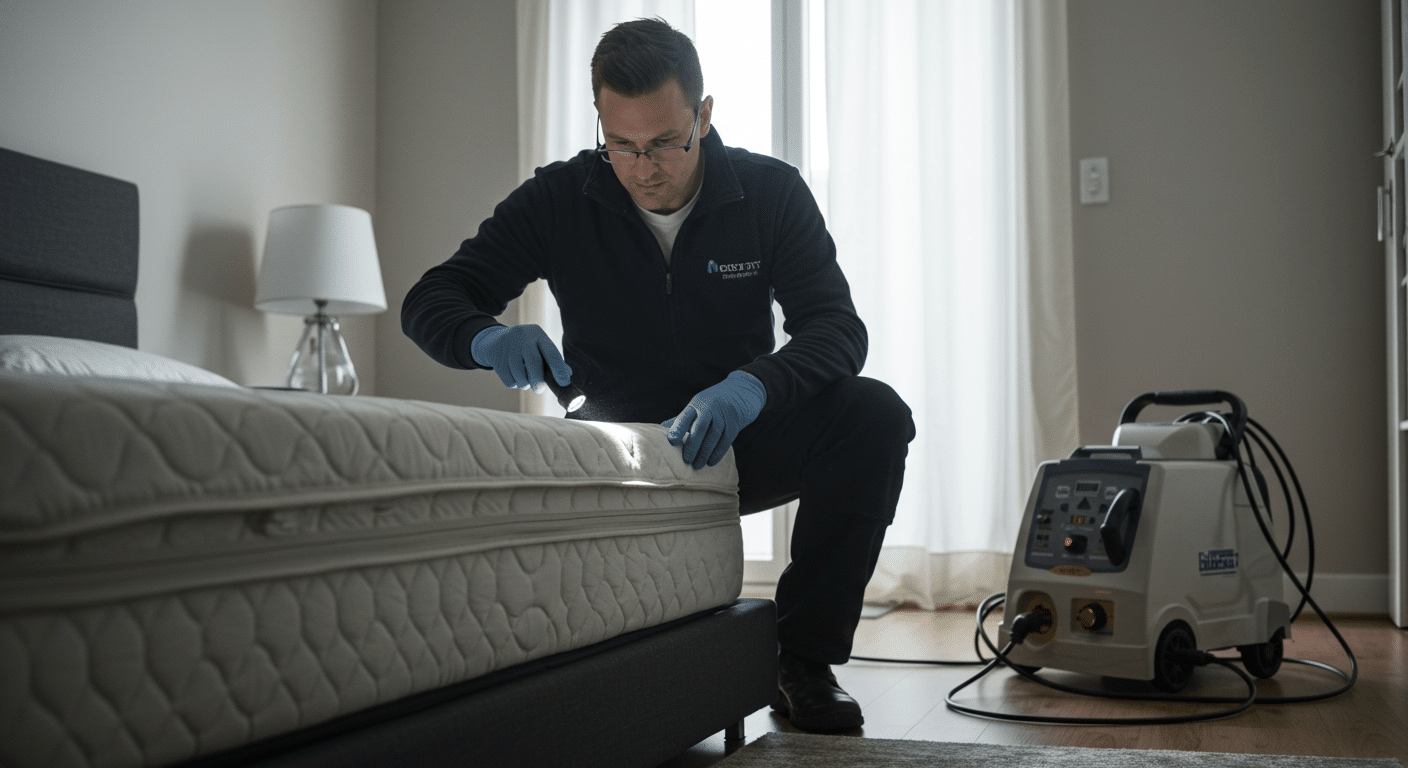
- Inspections: When it comes to inspections, professionals go well beyond a cursory look at your mattress seams and furniture. They use professional level tools and specialized monitors not only locate but assess the severity of any pest found on site. A thorough inspection carried out by a professional not only shows you where all of the bed bugs are, but they can also help you understand the severity of the situation you’re dealing with.
- Treatments: Depending on information uncovered during the inspection, your pest control team will likely recommend residual insecticides, heat treatments, or Cryonite. Each of the available treatment options have strengths and weaknesses and a good pest control technician will help you understand which is best for your situation and why.
- Preparation: The professional pest removal service will also help guide you through the process of preparing your home or business for bed bug elimination. There are several things you can do that will help you avoid spreading the infestation, while also making it easier for the pest control team to do their job. If your home or business can benefit from proper laundering, decluttering, or moving certain items, your team will let you know.
- Follow-Up Visits: Follow up visits are also part of the plan. It is essential to check back after a treatment to ensure that new infestations haven’t begun to grow again. As we mentioned before, even one female bed bug left behind can restart an infestation without much difficulty at all. Here at Nextgen Pest Solutions, for example, we guarantee our bed bug removal service, and we will continue to treat any areas with reinfestation for as long as needed at no additional charge.
Heat Treatment vs Chemical Treatment in Georgia
Many people ask us whether heat, cold, or chemical treatments are best. Unfortunately, there is no direct answer to that. The best treatment for your home or business may be different from the best option for someone else. It is important to consider the pros and cons of each of the available methods.
Here is a quick reference table to help you understand which method may work best for you.
Comparison of Heat, Chemical, and Cryonite Bed Bug Treatments in Georgia
| Feature | Heat Treatment | Chemical Treatment | Cryonite Treatment |
| Effectiveness | Kills all life stages, including eggs, in one session | Kills bugs over time with residual exposure | Instantly freezes and kills on contact, but may miss hidden bugs |
| Speed | One-day treatment | Requires multiple visits over 2–4 weeks | Immediate kill during application; no ongoing effect |
| Access Required | Whole room must be prepped and cleared | Requires open access to key areas like baseboards and furniture seams | Targets visible bugs only; needs direct line of sight |
| Residual Protection | No residual; one-time kill | Leaves protective barrier to kill future bugs | No residual; only effective during application |
| Environmental Impact | Chemical-free and safe for most belongings | Low-toxicity options available | Completely non-toxic and safe for electronics |
| Cost | High upfront cost due to specialized equipment | Moderate cost, but can increase with follow-ups | Moderate to high depending on size of treatment area |
| Best For | Large or chemical-resistant infestations | Mild to moderate infestations needing residual control | Sensitive environments (e.g., electronics, hospitals, daycares) |
Cost vs Risk: Why Professional Treatment Pays Off
DIY approaches to bed bug removal help you save a little bit of money upfront. However, because they’re often ineffective, the cost usually ends up outweighing the average price of a professional bed bug removal.
Remember that bed bug reinfestation happens very quickly and will spread into new areas if first attempts are unsuccessful. Without the guaranteed results from a professional company, you are on the hook for continued treatments down the line.
Another way that professional treatments pay off is that experienced technicians know how to apply the various methods without damaging your belongings. Whether they’re using chemical treatments, CO2 snow treatments, or heat treatments, they can make sure that you’re not creating a new problem while trying to solve the original one.
It is also very possible that if you do have a bed bug infestation, those bugs will be living in multiple places within your home. Hiring a professional service to take care of the entire problem all at once is going to be cheaper than going to the store to purchase enough chemical treatment to cover your entire house, especially when you consider how many times you will likely need to buy it.
Another consideration when trying to figure out if going with a professional company is going to be worth it in the end, is how much time and energy you want to spend on your bed bug problem. Getting rid of these elusive and persistent pests can be highly stressful and difficult. Getting the job done right, especially when you are inexperienced, can take a long time and require a lot of emotional energy. Getting a team in that solves this problem for people every day, all throughout Georgia, helps you mitigate all of these potential challenges

How to Choose the Right Bed Bug Exterminator in Georgia
Choosing the right bed bug exterminator in Georgia does not have to be difficult. All it takes is to know what to ask and look for. The most important things are local expertise and a long track record of successful bed bug removal services, but there are a few other things to look out for as well.
Always check a pest control company for its licensing and insurance. A bed bug company with a specialized bed bug credential should have industry certifications like QualityPro and NPMA. When a company has certifications like these, it shows you that they are dedicated to delivering a quality service and maintain vigorous training protocols.
You also want to make sure that the company you go with can handle specialized bed bug services like cryonite and heat treatments. Reputable pest control companies provide a range of services and follow an integrated pest management process that ensures your bed bug problems are met with the right tools and strategies.
Nextgen Pest Solutions checks all the right boxes, and when you need our help, give us a call or schedule a free bed bug inspection anytime.