
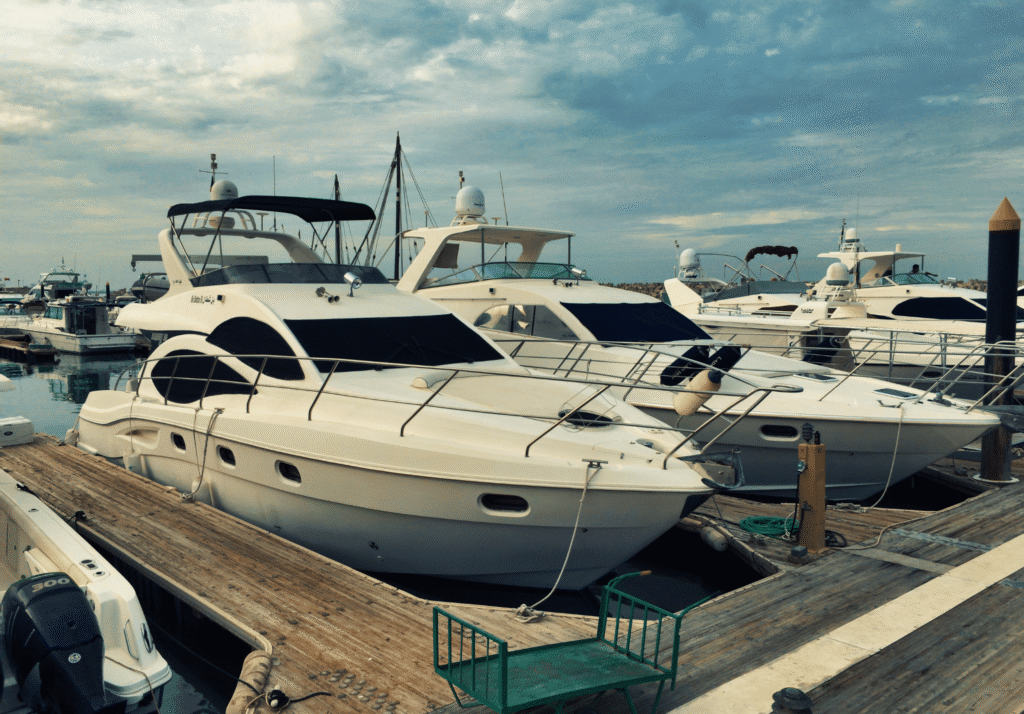
Termites are one of the most destructive pests, often causing significant damage before you notice you have an infestation. Boats are susceptible to all kinds of pests due to the warm and humid environment they provide. With much of a boat’s structure made of wood, termites can be a serious problem for boat owners. Here’s how to know if you have a termite infestation on your boat and when it may be time to contact a professional pest control firm in Johns Creek for expert pest inspection and treatment.
Frass
People often think that the piles of tiny wood pellets or sawdust-like wood shavings are the remnants left behind after termites eat. This isn’t the case. This is actually the droppings of drywood termites, and it’s known as frass. Frass is found anywhere a drywood termite infestation is active. It’s important to note that only drywood termites make frass pellets. Subterranean termites can also infest boats, but their fecal material is more mud-like and they use it to build mud shelter tubes over their tunnels. On boats, termites infest wooden interior and exterior structures, like:
- Cabinets
- Trim
- Framing
- Baseboards
- Hulls
- Decking
It’s important to note that while the hull and decking of most modern marine vessels are made from synthetic materials like fiberglass, some older boats may be made using wooden components. Termites don’t damage synthetic materials—only wooden structures.
Wings
Discarded wings are often the first and most common sign of termites that people notice. Termite swarming is the time of year when reproductive termites, or swarmers, search for places to establish new colonies. Termite swarmers have wings, and when they find a suitable place for their colony, they shed them. People often see these wings in piles near windows and doors. Finding discarded wings on your boat, especially during swarming season, is a strong indication of an active termite infestation.
Hollow Wood or Tunnels
Termites eat away at the wooden structures of a boat. These pests are known as silent destroyers since they often go undetected until major damage is done. Drywood termites don’t just feed on the wood; they create intricate tunnels and channels within it, and this is also where they nest and reproduce. Over time, these hollowed-out tunnels and channels cause the structures to weaken, which can lead to expensive repairs. If you tap on any of the wooden structures around your vessel and they sound hollow, this may be a sign of termites.
Mud Tubes
Unlike drywood termites, subterranean termites don’t live within the wood they infest. Instead, their colonies live underground. They build small, pencil-width mud tubes from soil, wood particles and saliva to provide themselves with a safe passage to travel between their colony and their food source. However, subterranean termites don’t need to return to the soil if they have a moisture source. Boats almost always hold water in their bilge area, allowing subterranean termites to feed and live below deck. Often, these infestations go unseen until significant damage has already occurred. Look for mud tubes under access panels and coming out of decks, stringers or other structural areas as early signs of a hidden subterranean termite infestation.
Stuck Doors
Are you having trouble opening the doors on your vessel, noticing that they feel stuck or that you have to force them open? This is one of several indicators of a termite infestation. Since boats are consistently in moist conditions, wooden door frames can swell or warp due to the humidity, which may cause the door to jam or stick. So, stuck doors aren’t necessarily a telltale sign of a termite infestation. On a boat, stuck doors alongside other signs of termites are cause for alarm.
The Palm Beach boat control experts at Nextgen Pest Solutions provide professional, reliable and effective termite treatment services. With industry-leading, environmentally-safe termite control products, we safely eliminate termites from boats and prevent them from returning. We have over 20 years of experience in the pest control industry, and our highly skilled and trained pest control technicians are committed to keeping your vessel pest-free. Contact us online for a free quote.