
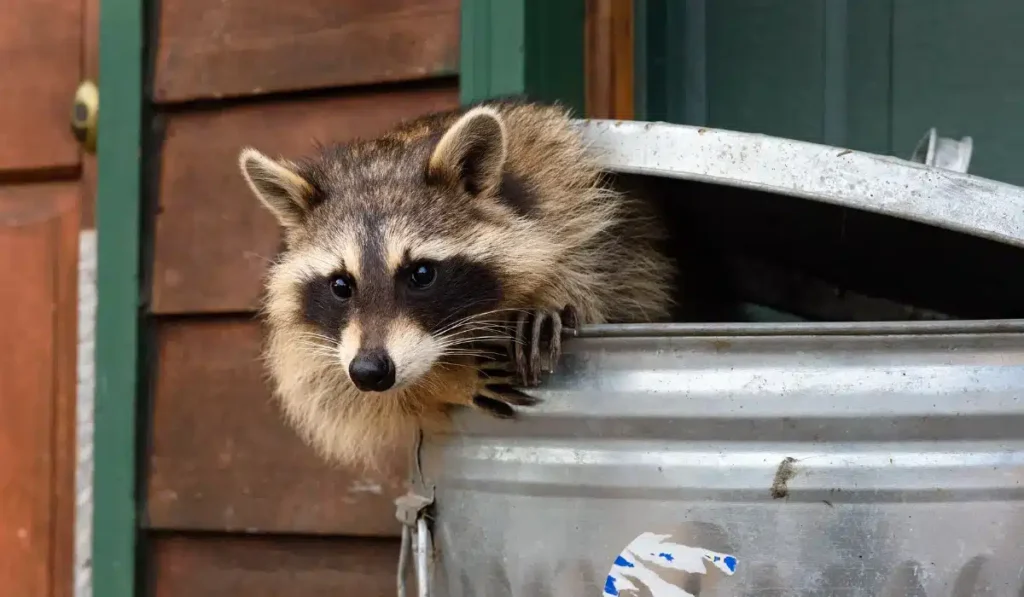
If you hear scratching in the ceiling or find trash cans tipped over, you may wonder if raccoons live nearby. Yes, raccoons live in Johns Creek, Georgia. They are common across Fulton County, the greater Atlanta area, and other parts of the state of Georgia, including nearby cities such as Alpharetta, Marietta, and Roswell. Wooded neighborhoods and creeks make it easy for them to find food and shelter.
Raccoons adjust fast to suburban neighborhoods and are one of the most adaptable wild animals found near homes. They dig through trash, eat pet food, and slip through small gaps to nest in attics or crawl spaces. Homeowners often notice droppings, loud movement at night, or damage near entry points.
This local guide explains raccoon behavior in Johns Creek, how Georgia’s weather affects them, and when Johns Creek raccoon removal becomes necessary to stop raccoons from returning.
Key Takeaways:
- Raccoons live in Johns Creek year-round.
- They often move into attics or crawl spaces during the colder months and are more active outdoors in summer.
- Open trash, pet food, and attic entry gaps can attract raccoons.
- Humane removal and sealing entry points can lower health risks and prevent damage.
Video: Are There Raccoons in Johns Creek, Georgia? Understanding Activity & Seasonality
This video helps viewers recognize raccoons through their size, movement, and nighttime habits. It highlights common signs of raccoon presence around attics, trees, and trash cans that many Johns Creek homeowners overlook. By watching, you will better understand how to identify possible raccoon activity and know when it’s time to call a professional for safe and humane raccoon removal.
Are There Raccoons in Johns Creek, Georgia, Throughout the Year?
Yes. Raccoons stay active in Johns Creek all year. Weather and food change how often you see them.
Seasonal Breakdown of Raccoon Activity in Johns Creek
In winter, raccoons slow down, but they do not hibernate. They may move into attics or crawl spaces to stay warm. In spring, mothers build nests, which can cause noise in ceilings or walls. In summer, raccoons stay busy as they search for insects, pet food, and garden plants. In the fall, they eat more to prepare for colder nights.
How the Climate in Johns Creek Affects Raccoon Survival
Georgia’s humid summers and mild winters let raccoons stay active all year. Johns Creek also has creeks and wooded areas that provide raccoons with ample cover. You may also see other wildlife in the same places, so it helps to check your home for more than one type of animal activity.
Indoor vs. Outdoor Survival Patterns
Outside, raccoons rest near trees, culverts, and storm drains. Indoors, they may move into attics, wall spaces, or crawl spaces and leave droppings and torn insulation.
Sometimes other animals, such as squirrels, rats, opossums, or skunks, use the same areas, so a thorough inspection and proper rodent control can help you identify all issues.
Types of Raccoons Found in Johns Creek
The North American raccoon lives throughout this area. You can spot it by its black mask and ringed tail. Raccoons often act shy, but they may come close to homes when they find easy food.
We offer humane raccoon removal and can seal entry points to help prevent damage and health risks.
Where Do Raccoons Live in Johns Creek? (Habitats + Hiding Spots)
Raccoons are common in Johns Creek because food and water are readily available. Homes near wooded creeks, golf courses, or natural trails tend to have the most sightings.
Indoor Habitats
Raccoons may choose attics, wall spaces, and crawl spaces because they feel safe there. These spots often contain feces, nesting material, and damaged electrical wires. When raccoons force their way in, they can rip insulation and roof shingles, causing hidden damage.
Outdoor Habitats
Outside, raccoons may hide under porches, in sheds, or inside woodpiles. They also hang around bird feeders and pet food bowls. Areas near the Chattahoochee River and local creeks can bring more wildlife into yards.
If you smell a strong, rotten odor near a deck or crawl space, an animal may have nested there before, or something may have died nearby.
Differences in Habitat Choice Across Species
Though only one raccoon species lives in Georgia, its flexibility in nesting sites can quickly turn into a larger wildlife problem for homeowners. In summer, raccoons prefer wooded areas, while in winter, they move toward homes and heated buildings.
Microclimate Differences in Johns Creek
Shaded, humid areas attract raccoons more than open yards. Older neighborhoods with mature trees tend to experience higher wildlife activity and more encounters with nuisance critters.
At Nextgen Pest Solutions, we offer full-service wildlife removal and wildlife exclusion to protect Johns Creek homes from future invasions.
What Local Triggers Cause Raccoon Problems in Johns Creek?
Raccoon problems often begin when the weather changes or food is easy to access, which is why pest control inspections can help identify early signs. Heavy rain can prompt raccoons to seek dry shelter, including attics and crawl spaces.
Construction can also disturb their usual hiding spots and send them into nearby neighborhoods.
Loose trash lids, outdoor pet food, and open compost bins attract raccoons. Fallen fruit and spilled birdseed can also pull raccoons and other scavengers into your yard. Once raccoons find steady food, they often come back night after night unless you remove the attractants and block access.
Humane wildlife removal typically includes safe exit methods when permitted, sealing entry points, and reducing food sources, which many pest control services use to help prevent recurring issues.
Are Raccoons Dangerous in Johns Creek?
Yes, raccoons are dangerous. Raccoons can carry rabies, roundworms, and fleas, which pose serious health risks to people and pets.
Raccoon rabies spreads rapidly, infecting large numbers of raccoons and potentially spreading to other wildlife and pets. Their droppings may contain harmful bacteria, and they can cause electrical fires by chewing through wiring.
While many raccoons are nuisance wildlife, only trained animal control experts should handle any close contact with them. Our team uses humane trapping and cleanup methods that protect both your home and the animals.
Making the Right Raccoon Control Choice for Your Johns Creek Home
When raccoons move too close to people, the situation can quickly shift from a minor nuisance to a larger home and safety concern. Choosing the correct response early can reduce long-term damage and help avoid ongoing wildlife issues.
A focused, humane approach to animal removal protects both your home and the animals involved, especially when handled by trained wildlife control services.
At Nextgen Pest Solutions, we provide professional wildlife and raccoon removal services, specializing in Johns Creek wildlife and raccoon removal. We offer humane removal and long-term exclusion for homes in the area.
Contact us today or request a free quote to schedule an inspection.
FAQs
Are raccoons active in Johns Creek year-round?
Yes. The mild Georgia climate keeps raccoons active year-round. They often move indoors during cold months and forage outdoors in warmer weather.
What signs show that raccoons are in my Johns Creek home?
Look for droppings, scratching sounds, damaged shingles, missing pet food, or foul odors from dead animal remains. You might also notice scattered trash or paw prints near crawl spaces, which can also point to the need for squirrel removal or bat removal if multiple species are present.
Does the weather in Johns Creek affect raccoon infestations?
Yes. Rainy or cold conditions drive raccoons indoors in search of warmth. Storms and flooding often drive wildlife into neighborhoods, resulting in more sightings near homes.