
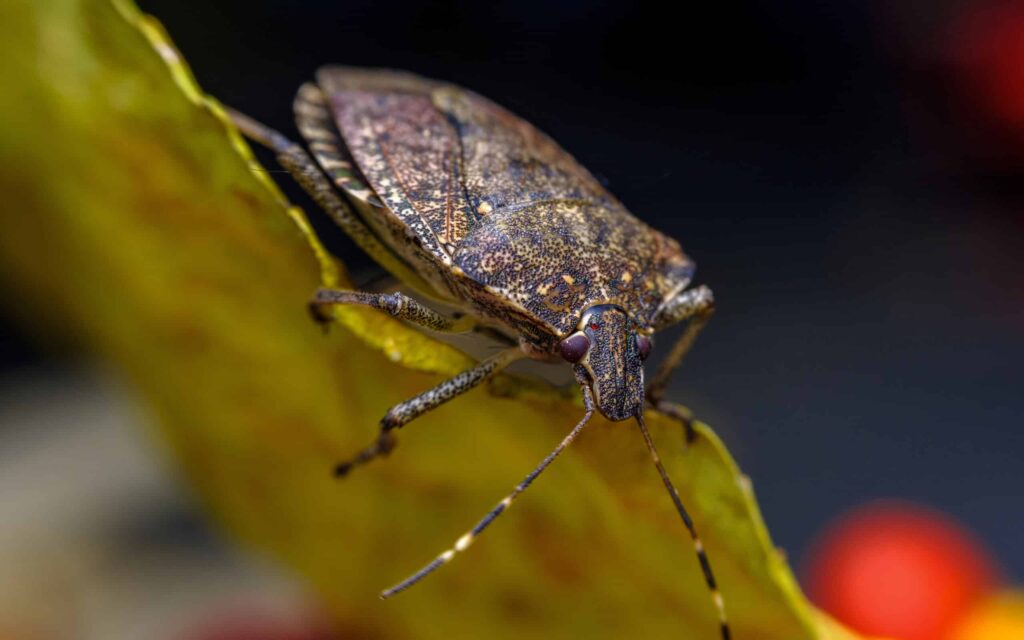
If you live in an area prone to stink bugs, you know how frustrating these shield-shaped insects can be. Besides the unpleasant odor they release when threatened, they can cause skin and eye irritation — sometimes referred to as stink bug burn or irritant contact keratitis.
The good news? Preventing stink bugs doesn’t have to be complicated. With the right strategies, you can block them from entering your home, protect your family, and reduce the risk of infestations.
Key Takeaways
Stink bugs often enter homes through tiny cracks, gaps, and damaged screens
Managing moisture, landscaping, and outdoor attractants like lights can significantly reduce activity
Stink bugs can cause dermatitis or eye irritation, so avoid direct contact
Professional help — searching for stink bug exterminators near me — offers long-term solutions
→ Schedule a stink bug inspection today with Nextgen Pest Solutions.
Best Methods to Prevent Stink Bugs from Entering Your Home
Stink bugs migrate indoors seeking warmth, food, and shelter. Stopping them requires a combination of entry prevention, attractant reduction, and professional guidance.
1. Seal All Entry Points
These insects are masters at squeezing through tiny gaps. Sealing your home is the first — and most effective — step in stink bug control.
Key areas to check:
Window and door frames
Cracks in siding or stucco
Gaps around utility lines and vents
Torn screens or damaged doors
Recommended tools:
Silicone or silicone-latex caulk
Weatherstripping
Fine-mesh screens
Blocking access prevents hundreds of stink bugs from infiltrating your walls, attic, or living spaces.
2. Manage Landscaping
Stink bugs are attracted to moisture, shelter, and food sources. Landscaping choices around your home can either encourage or discourage them.
Tips for stink bug-resistant landscaping:
Keep shrubs, vines, and trees trimmed away from your house
Avoid planting fruit-bearing plants near windows or doors
Remove fallen fruit and decaying vegetation promptly
Improve soil drainage and avoid overwatering
Just like other pests, stink bugs thrive in shaded, damp environments. Maintaining airflow and cleanliness makes your property far less inviting.
3. Reduce Outdoor Attractants
Stink bugs are commonly drawn to:
Bright exterior lights
Warm surfaces
Moist areas
Simple adjustments that help:
Switch outdoor lights to warm-colored or motion-activated bulbs
Fix leaks and eliminate standing water near your home
Use dehumidifiers in damp indoor areas
Reducing these attractants can dramatically lower stink bug activity around your property.
4. Protect Yourself from Stink Bug Burns
While stink bugs do not bite, they release defensive chemicals that can irritate skin and eyes. Stink bug burn or dermatitis may cause:
Redness
Itching
Mild swelling
A burning sensation
If the chemical gets into your eyes, it may result in irritant contact keratitis.
Avoid crushing stink bugs with your bare hands. For safe removal, use gloves, paper towels, or a vacuum.
⚠️ Important vacuum tip:
If you vacuum stink bugs, empty the vacuum bag or canister immediately outdoors. Leaving them inside can cause your vacuum to smell like stink bugs every time it’s turned on.
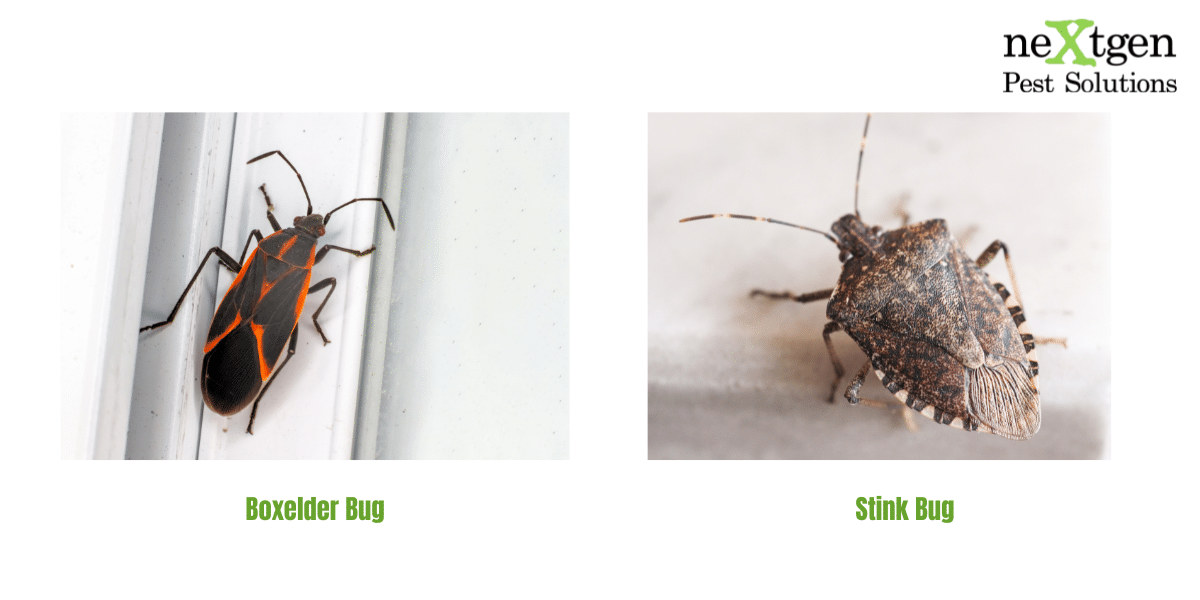
5. Identify Look-Alike Pests
Other insects are sometimes mistaken for stink bugs, which can lead to ineffective control methods.
Common look-alikes include:
Leaf-footed bugs
Western conifer seed bugs
Boxelder bugs
Kissing bugs (rare indoors)
Proper identification ensures the correct treatment and prevention strategy.
Professional Stink Bug Control
DIY prevention helps, but persistent infestations often require professional intervention. Licensed pest control technicians can:
Identify hidden entry points and nesting areas
Apply targeted, seasonal treatments
Install exclusion barriers
Provide long-term prevention plans
Searching for “stink bug exterminators near me” connects homeowners with local experts who understand regional pest behavior.
→ Book a same-day stink bug inspection with Nextgen Pest Solutions.
FAQs
Do stink bugs bite humans?
No. However, contact with their defensive chemicals can cause skin or eye irritation.
Why are stink bugs entering my home?
They seek warmth, light, and shelter — especially during seasonal temperature changes.
When are stink bugs most active?
Late summer through winter, when they look for overwintering sites indoors.
How long before prevention methods work?
Results vary, but improvements often occur within days to weeks depending on entry points and attractants.