
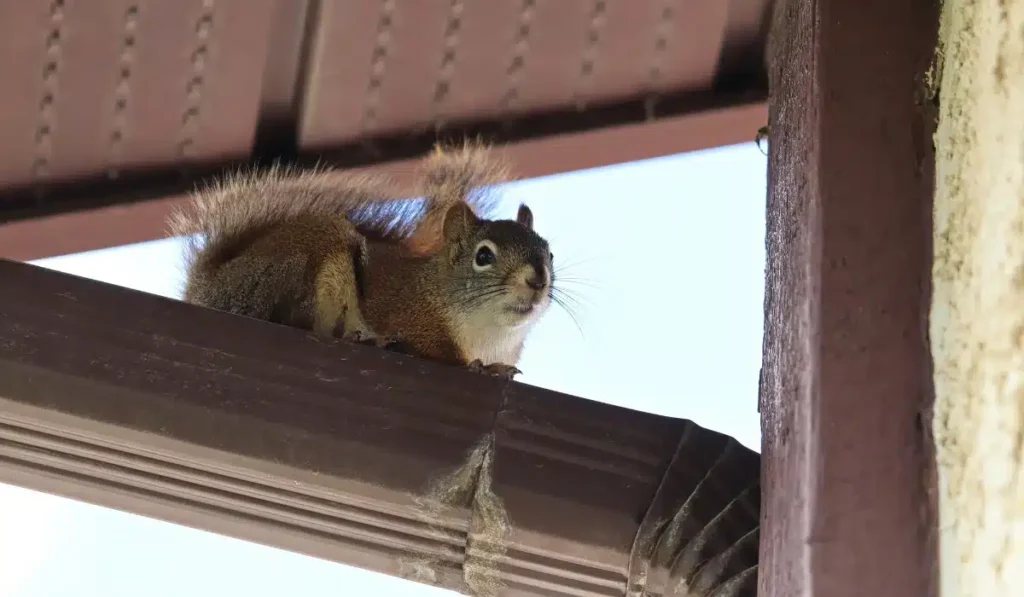
Squirrels often enter attics looking for warmth, shelter, and a safe place to nest. The most effective way to keep squirrels out of your attic is to block entry points, remove attractants, and reinforce vulnerable areas before they return.
Below is a simple, step-by-step guide homeowners can follow to stop squirrels and prevent future attic infestations.
Step 1: Confirm You’re Dealing With Squirrels
Squirrels are active during the day, which helps separate them from rats or mice. Before taking action, make sure squirrels are the cause. Common signs include:
- Scratching or running noises during the day
- Chewed wood, wires, or insulation
- Nesting material near the roof edges
- Entry holes along the roofline or vents
⚠️ Safety warning: Squirrels frequently chew on electrical wiring inside attics. Exposed or damaged wires can spark and are a known cause of house fires. If you see chewed wiring, act quickly and avoid entering the attic until the area is inspected or secured.
Step 2: Identify How Squirrels Are Getting Into Your Attic
Start with a simple inspection. During the day, stand inside a dark attic and look for light leaks. Any sunlight coming through usually points to an entry hole. At night, use a flashlight to check for gaps, chew marks, or nesting material.
Squirrels can fit through small openings and will chew through weak spots. Common entry points include:
- Roofline gaps and damaged shingles
- Soffits and fascia boards
- Attic vents without screens
- Chimneys without caps
- Tree branches touching or hanging over the roof
Step 3: Remove Squirrels Safely and Humanely
If squirrels are already inside, sealing the attic without removing them can trap animals inside and cause more damage. Safe squirrel removal options include:
- One-way exclusion doors that allow squirrels to exit but not re-enter
- Professional wildlife removal for nesting squirrels or babies
⚠️ Warning: Avoid poisons or traps. These methods are unsafe, often illegal, and can lead to odor and sanitation issues inside your attic.
Step 4: Seal and Reinforce All Entry Points
Once you’re sure the squirrels are out, seal the attic right away. Waiting too long gives them a chance to get back in. Avoid using spray foam by itself—squirrels can chew through it in minutes. Durable materials are key. Effective sealing techniques include:
- Repair damaged soffits and fascia
- Install heavy-gauge vent covers
- Add chimney caps
- Seal gaps with metal flashing (not foam alone)
Material | Best Use Case |
Covering vents and larger openings | |
| Reinforcing corners and roofline joints |
Chimney caps | Blocking access through the flue |
Step 5: Trim Trees and Remove Exterior Attractants
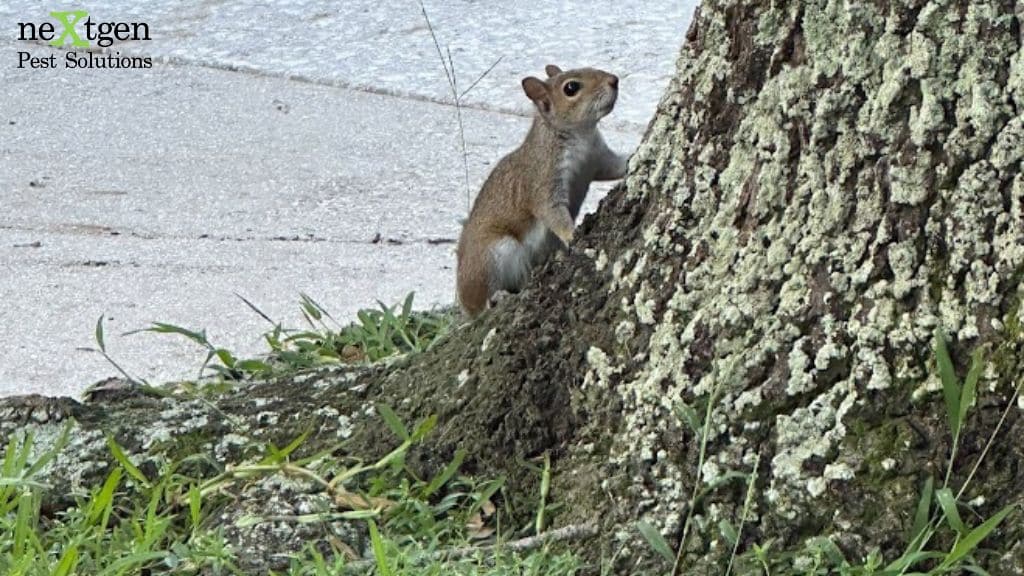
Squirrels are excellent climbers and often use nearby trees to jump onto your roof and enter your attic. Reduce their chances of entering by reducing these access points
- Trim branches at least 6–10 feet away from the roof
- Remove bird feeders near the home
- Secure trash bins and outdoor food sources
Step 6: Squirrel-Proof Your Attic Long Term
To keep squirrels out permanently, add reinforcement beyond basic repairs. These steps are especially important in fall and winter when they seek shelter. Long-term attic protection includes:
- Reinforced vent guards
- Roofline and soffit barriers
- Annual attic inspections
- Repairing weak construction points before damage occurs
What Does NOT Work to Keep Squirrels Out of Attics
Many DIY squirrel deterrents fail because they do not stop how squirrels enter the attic. Strong smells like mothballs wear off quickly, while ultrasonic devices and fake predators stop working once squirrels get used to them. Spray repellents alone are also ineffective. If entry points remain open, squirrels will return no matter what deterrent is used.
When to Call a Local Wildlife Removal Professional
You should contact a wildlife removal professional if squirrels are nesting in your attic, if you hear daytime noises regularly, or if damage is already visible. Professional help is also recommended when entry points are high or hard to reach, or when baby squirrels may be present. Proper exclusion removes squirrels safely and prevents them from coming back.
If you need expert help, contact Nextgen Pest Solutions today. Our team safely removes squirrels, seals entry points, and protects your attic from future infestations.
FAQs About Squirrels in the Attic
Can squirrels damage my home?
Yes. Squirrels can chew wires, insulation, and wooden structures, leading to costly repairs and potential fire hazards.
How much does professional squirrel removal cost?
Costs vary depending on the number of animals and damage, but professional removal ensures safe exclusion and prevents repeat infestations.