
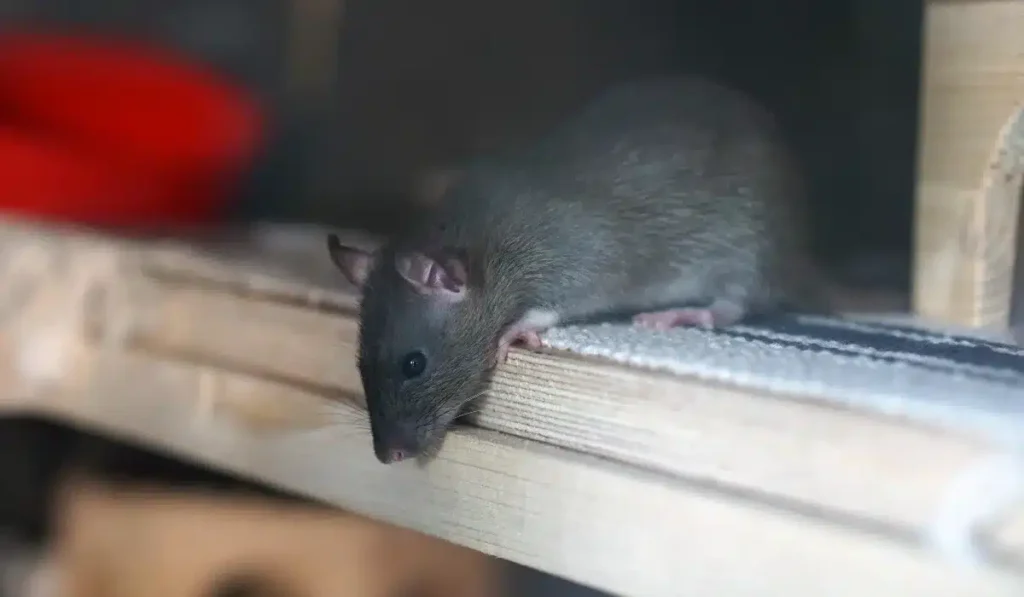
Many Sandy Springs homeowners hear unusual noises in the attic at night. The noise may start as light scratching or faint scurrying. As the house gets quiet, the scratching becomes easier to notice.
These sounds usually mean nocturnal creatures are active. House mice, raccoons, and other critters enter attics to find food, warmth, and safe nesting areas.
Ignoring these noises can turn a small issue into a larger pest problem. A mouse infestation or rodent problem can grow quickly if entry points stay open.
Knowing what these sounds mean helps you act early. If you hear them, look for signs and call a pest control service in Sandy Springs.
Key Takeaways
- Night scratching sounds in attics often come from house mice or other nocturnal creatures.
- Look for signs like droppings, nesting materials, or scurrying sounds inside walls.
- Sealing entry points early helps prevent a mouse infestation.
- Professional pest control can identify the source and stop the problem safely.
What Night Scratching Sounds Usually Mean
Night scratching sounds in an attic usually mean animals are moving above the ceiling. Different pests make different noises, which can help you identify the source.
House Mice Moving Through the Attic
House mice are one of the most common causes of scratching sounds in Sandy Springs homes. These small rodents are active at night and make light scratching or scurrying sounds as they move across insulation or beams.
You may also hear high-pitched squeaks when mice communicate. A mouse problem can grow fast because they reproduce quickly and build nests from paper, insulation, and other nesting materials.
Raccoons or Larger Critters
Heavier thumping or loud movement can point to larger critters like raccoons or opossums. These animals often enter through roof gaps, soffits, or loose vents.
Raccoons may drag nesting materials into the attic and create loud scratching as they move. They may also chirp or make other vocalizations during the night.
Animals Traveling Through Walls
Sometimes the noise does not come directly from the attic. Scratching noises inside the walls can travel through drywall and baseboards, making the source hard to identify.
Rodents may move between attic spaces, crawl spaces, and basements through hidden openings. These pathways allow pests to move through the home while searching for food.
Signs the Noise Is Coming From Mice
If mice are causing the scratching sounds, there are usually other signs nearby. Homeowners often notice signs in attics, basements, or along baseboards.
Mouse Droppings in Hidden Areas
Mouse droppings are one of the clearest signs of a mouse infestation. These small dark pellets often appear near nesting areas, inside cabinets, or along attic beams.
You may also find mouse droppings near pet food, pantry shelves, or storage boxes.
Gnawing and Small Damage
Mice constantly chew to keep their teeth trimmed. This chewing creates gnawing sounds and small holes around drywall, baseboards, or stored items.
In some cases, mice chew on electrical wiring. Chewing on wiring can lead to fire hazards and serious damage inside the attic.
Scurrying and Squeaking Sounds
Mice scurry quickly as they run along beams or through insulation. You may also hear high-pitched squeaks when several mice gather in the same nesting areas.
You will often hear these squeaking sounds late at night when the house is quiet.
What to Do First When You Hear Scratching
If you hear scratching sounds in the attic, act quickly. Early steps can help prevent a larger rodent problem.
Look for Entry Points
Start by checking common entry points around the roofline and exterior walls. Small gaps near soffits, vents, or HVAC lines can allow mice to enter.
Sealing accessible openings with materials like steel wool and caulk can help reduce pest entry, though larger gaps or active infestations may require professional pest control.
Check for Food Sources
Rodents stay where food is easy to find. Pet food left out overnight, open trash containers, or crumbs in storage areas can attract house mice.
Removing food sources makes the home less appealing to pests.
Use Basic Traps Carefully
Some homeowners try DIY methods like snap traps or repellent products. While these tools may catch a few mice, they often do not resolve the entire infestation or prevent it from returning.
If activity continues, call a pest control service to find nesting areas and hidden entry points.
When Attic Noises Mean a Bigger Problem
Sometimes attic noises signal a larger infestation or serious damage. Certain warning signs mean it is time to call an exterminator.
Strong Odors or Heavy Droppings
A large buildup of droppings often points to a long-term rodent problem. Strong odors in the attic can also indicate a large nesting area or a hidden pest issue.
This level of activity often needs professional pest control.
Damage to Wires or Drywall
Rodents may chew on drywall, insulation, and electrical wiring. Damaged wires increase the risk of fire hazards and costly repairs.
If you hear gnawing sounds near the wiring or ceiling, inspect the area quickly.
Repeated Night Activity
Hearing scratching every night is often a sign of an active infestation. Ongoing scurrying sounds from within walls or ceilings suggest rodents are living in the structure.
Rodent control services can locate nesting areas and close entry points to stop the activity.
Book an Attic Rodent Inspection in Sandy Springs
Do not ignore night scratching sounds. Many Sandy Springs homeowners first notice a mouse problem through light scratching or scurrying sounds in the attic.
Catching the issue early helps prevent a full infestation and protects your home from damage. Rodents can leave droppings, chew on electrical wiring, and spread through crawl spaces and basements if entry points stay open.
At Nextgen Pest Solutions, we provide professional pest control and rodent control services for homes and businesses across Sandy Springs. Our team inspects attics, finds entry points, and builds a plan to keep your home free of pests.
If you hear scratching sounds at night, contact us today to schedule an inspection.
FAQs
What animals make scratching sounds in attics at night?
House mice are the most common cause, but raccoons, opossums, and other nocturnal creatures may also enter attics. These animals search for food and nesting areas, which can lead to scratching, scurrying, and squeaking at night.
How do mice get into attics?
Mice enter through small gaps in soffits, vents, rooflines, or foundation cracks. Gutters and HVAC lines may hide these entry points. Once inside, house mice travel through crawl spaces, inside walls, and attic insulation.
When should I call a pest control service for attic noises?
You should contact pest control if you hear frequent scratching sounds, see droppings, or notice damage to drywall or wiring. A professional exterminator can inspect the attic, identify nesting areas, and recommend a treatment plan to address the rodent problem.